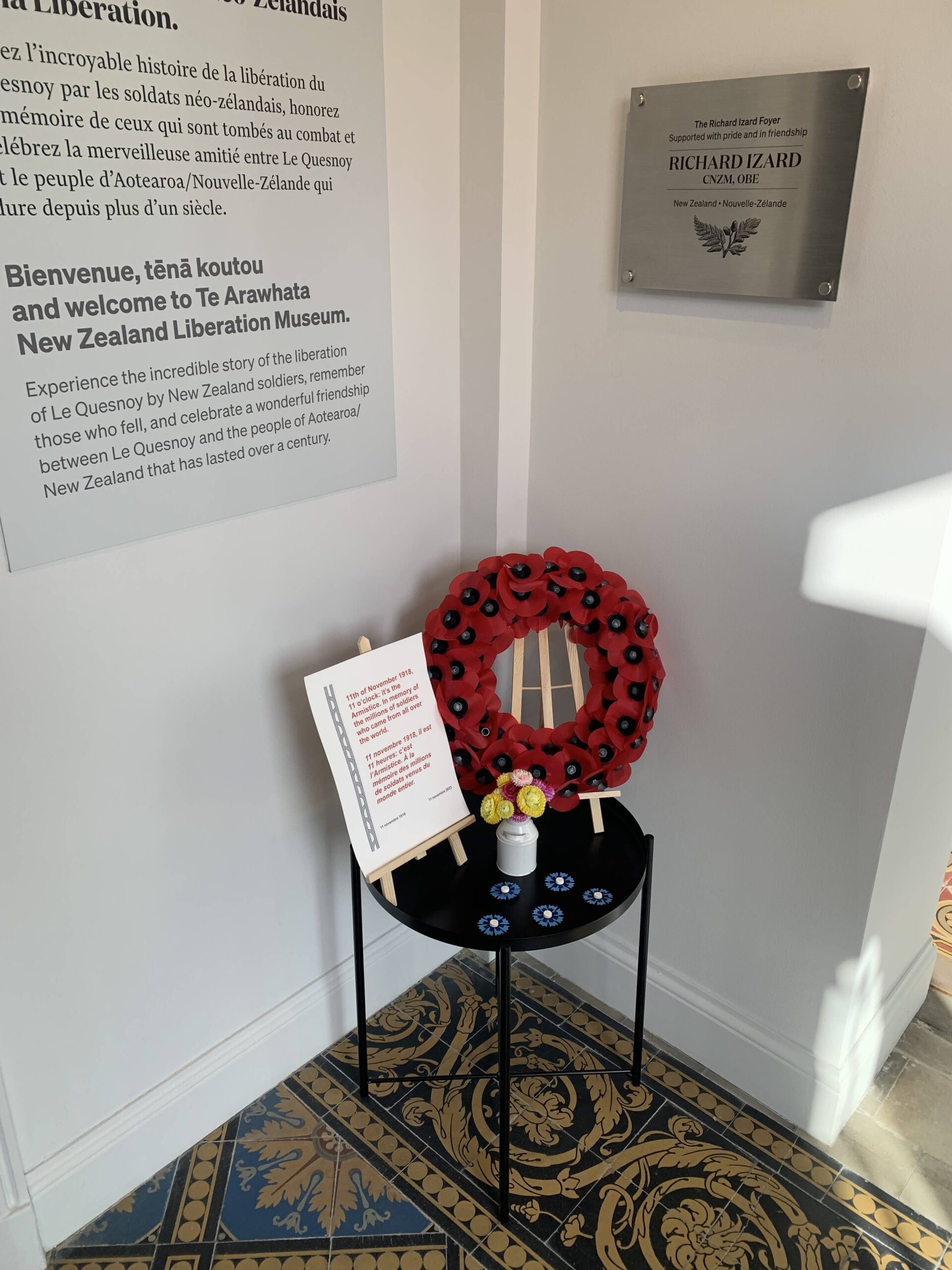
Armistice Day in Le Quesnoy

An armistice brought an end to fighting in World War One on the 11th hour on the 11th day of the 11th month of 1918.

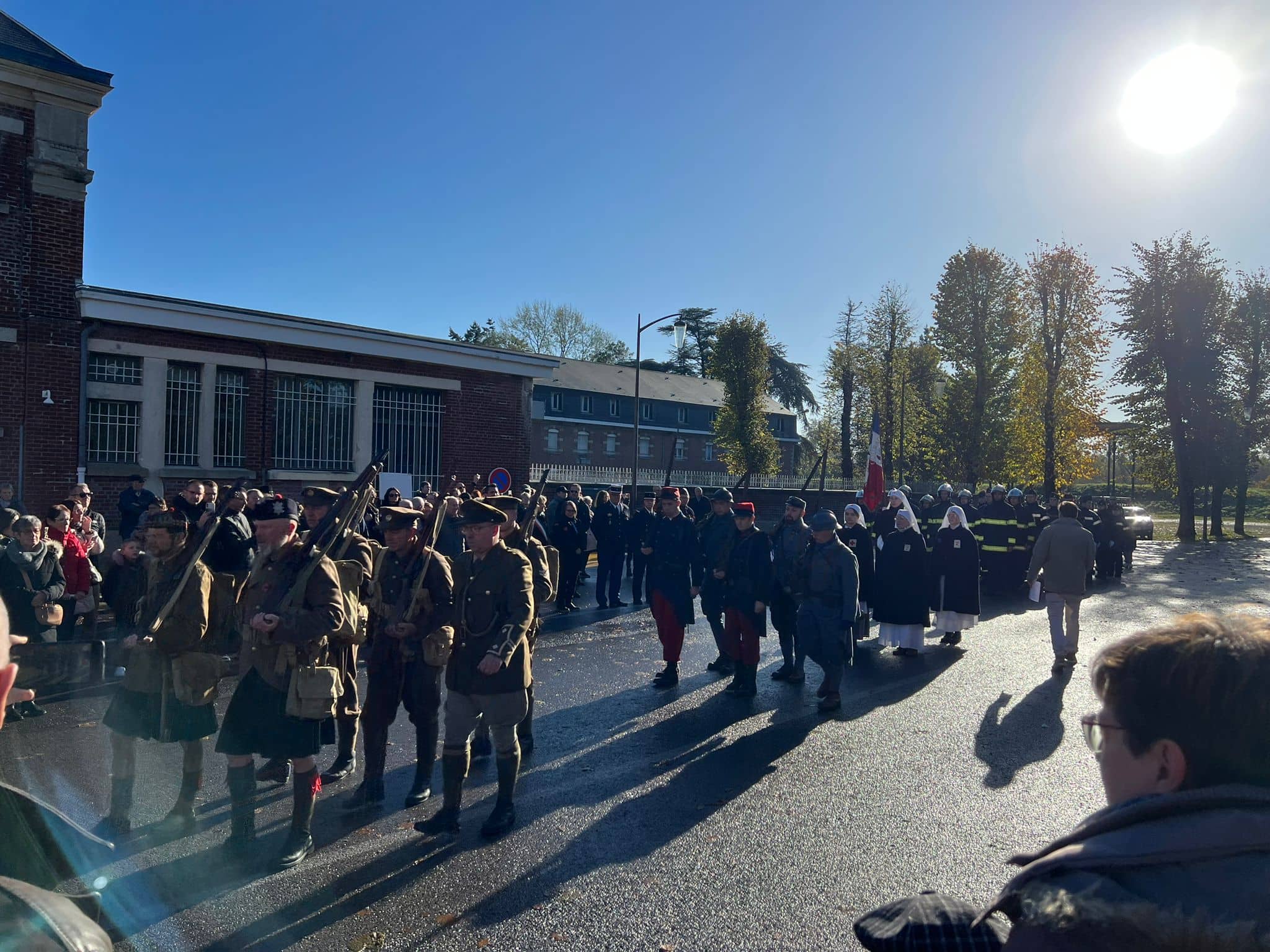
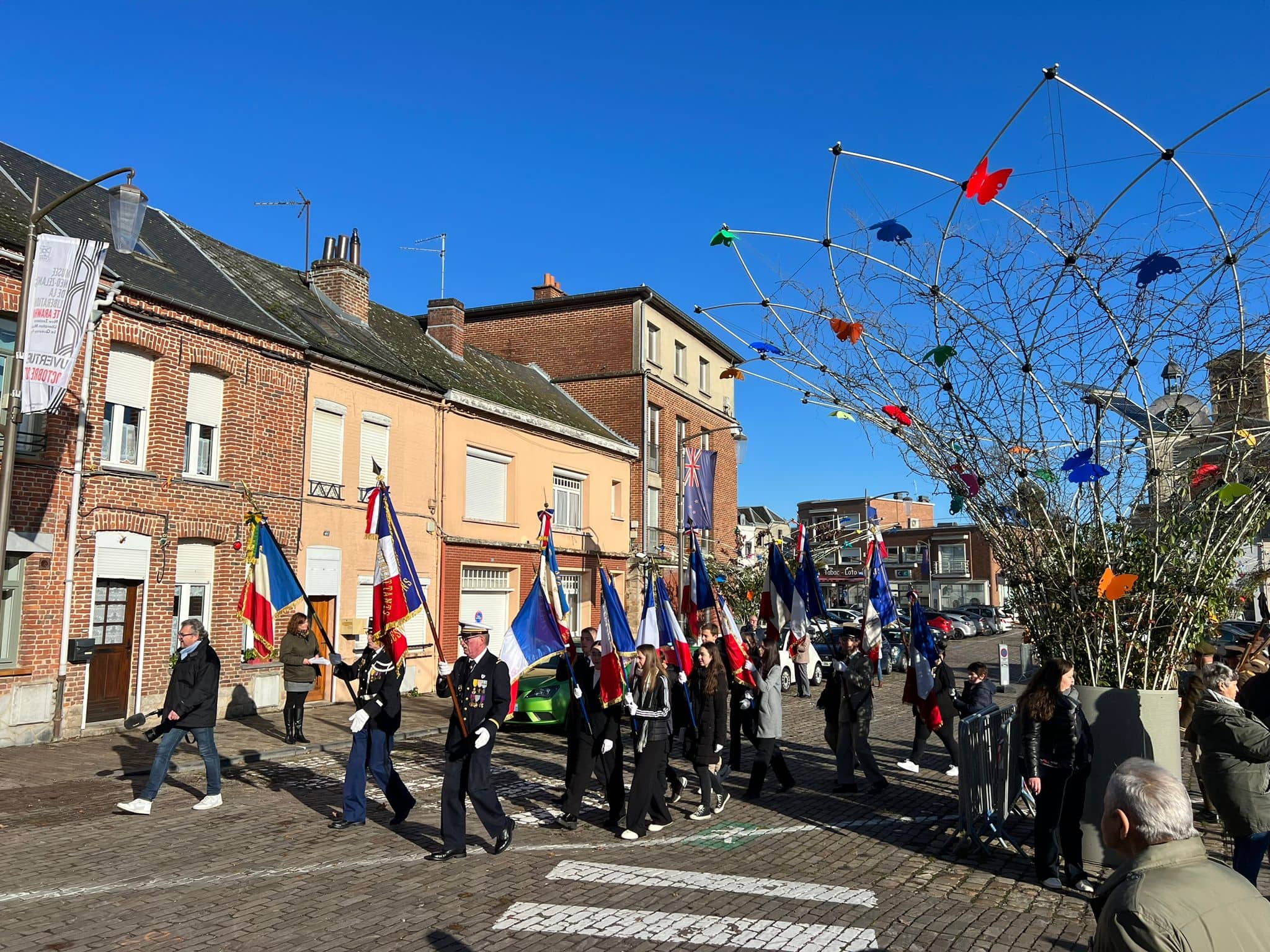
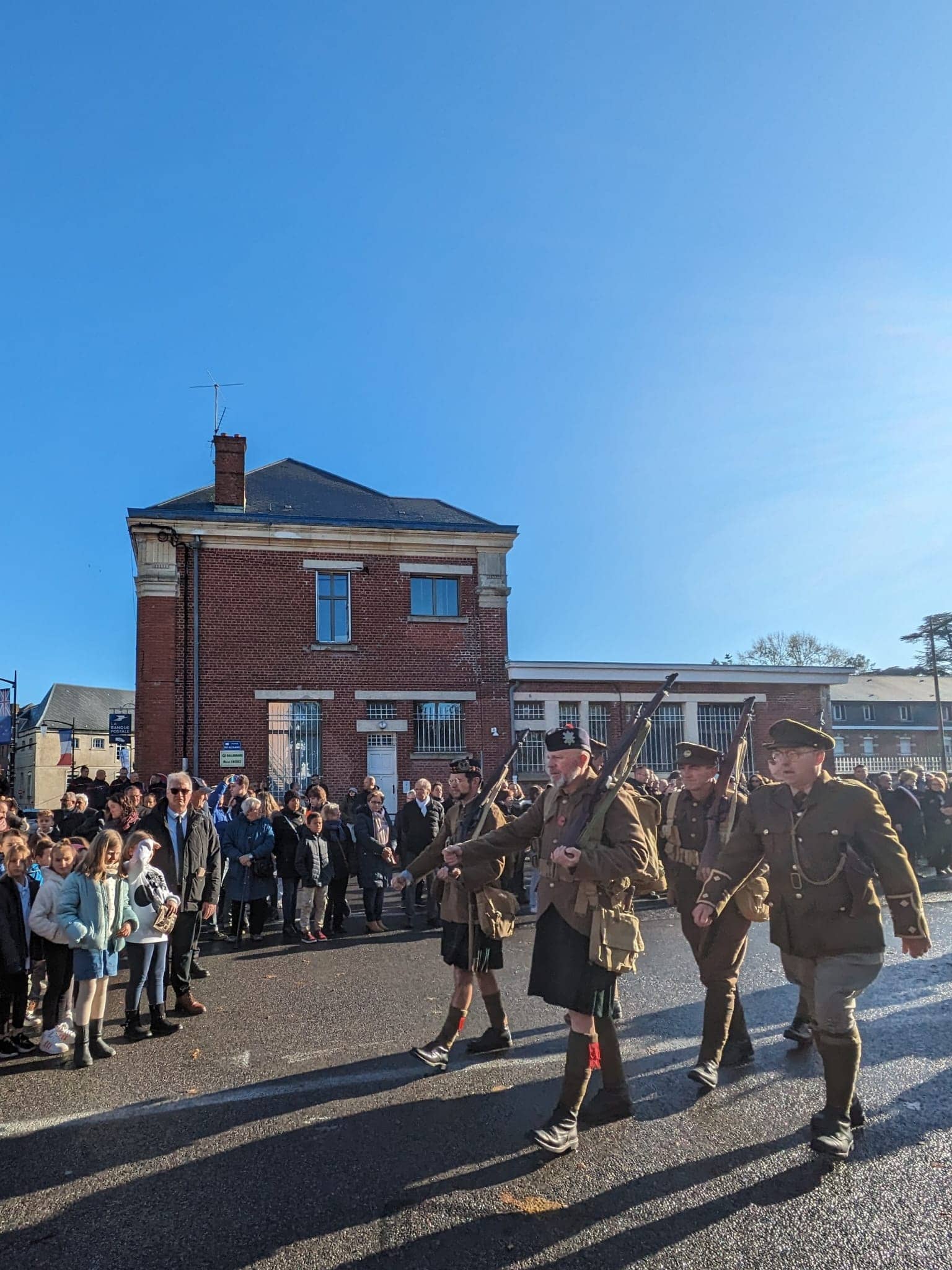
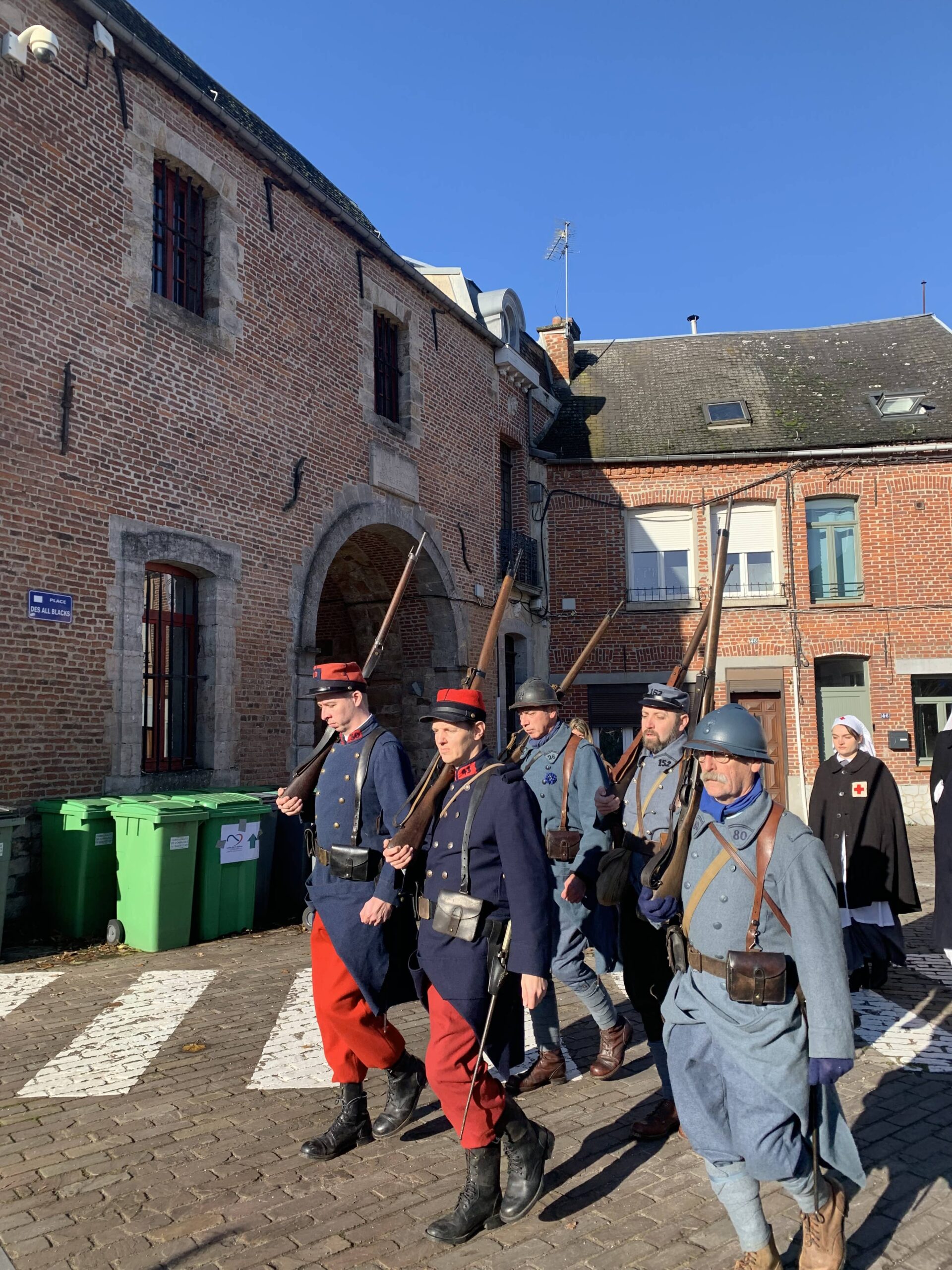
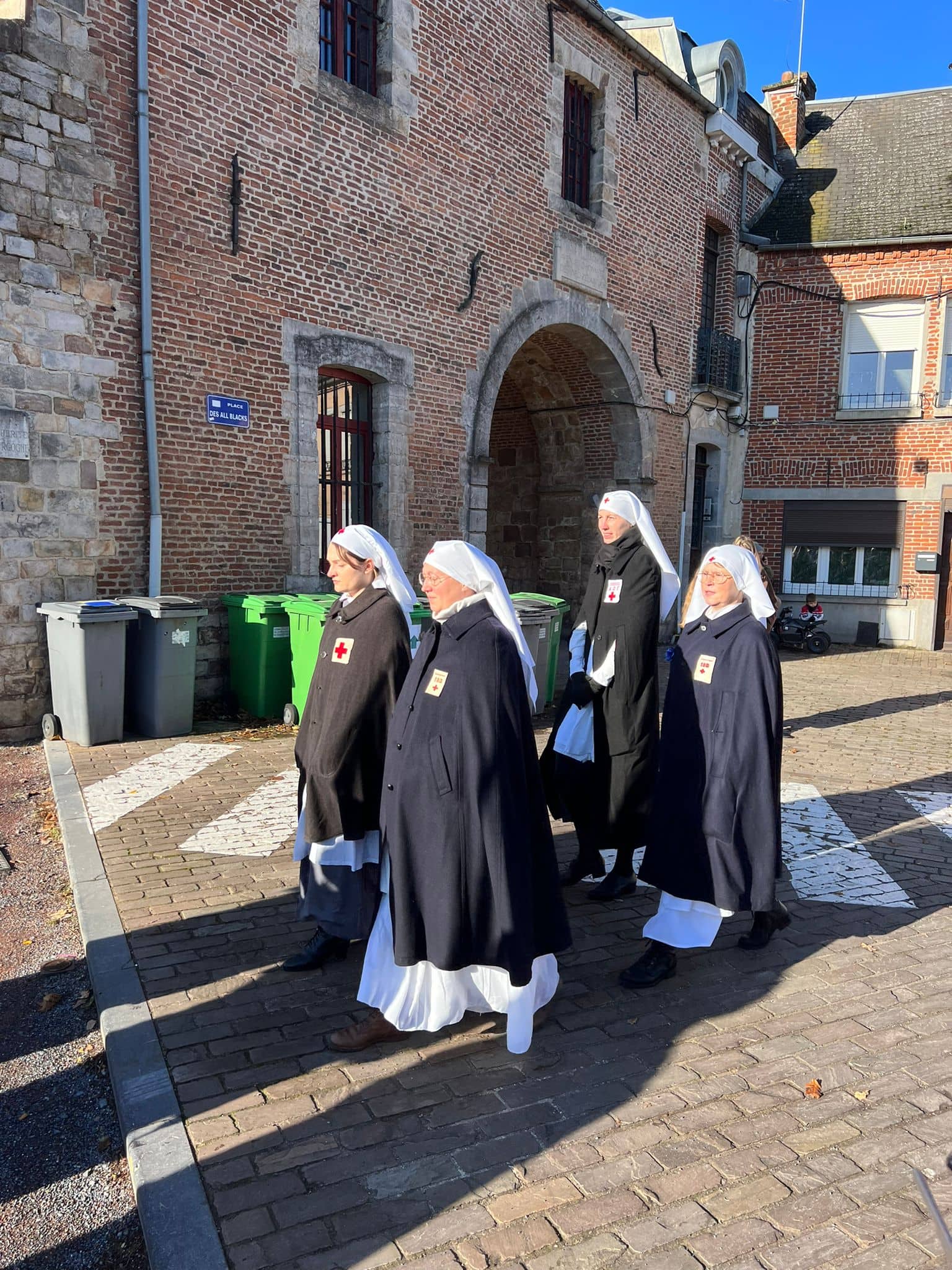
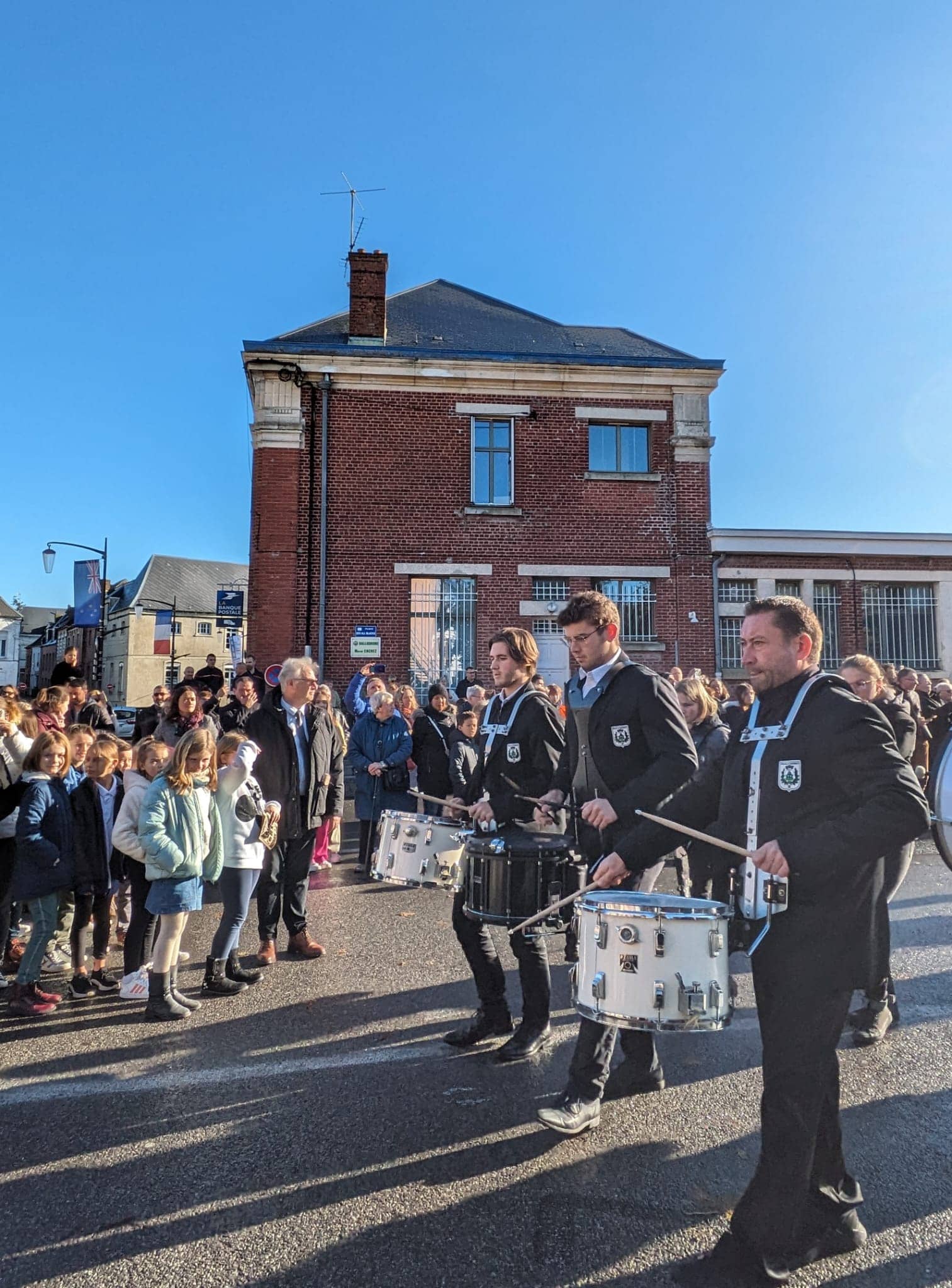
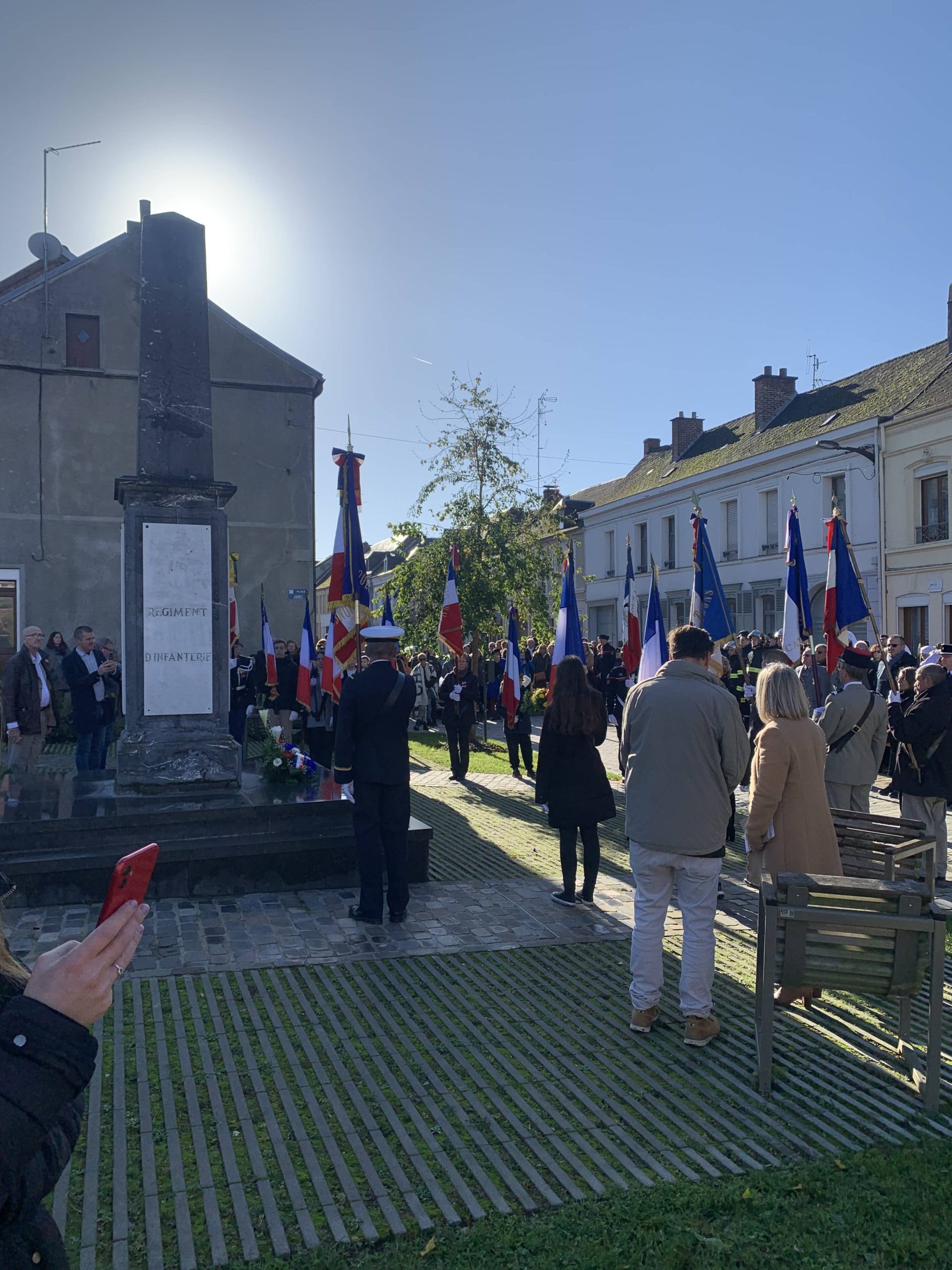
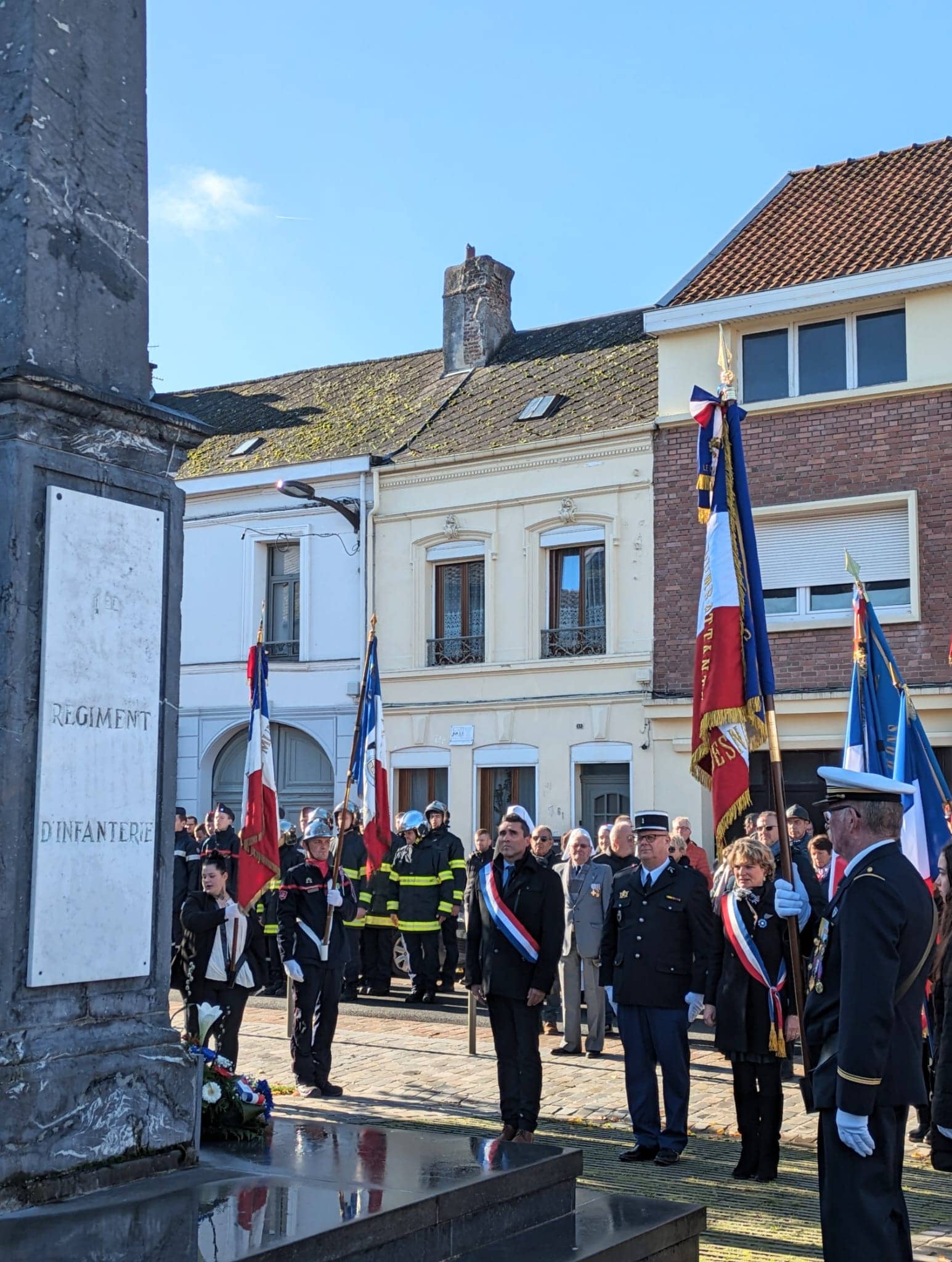
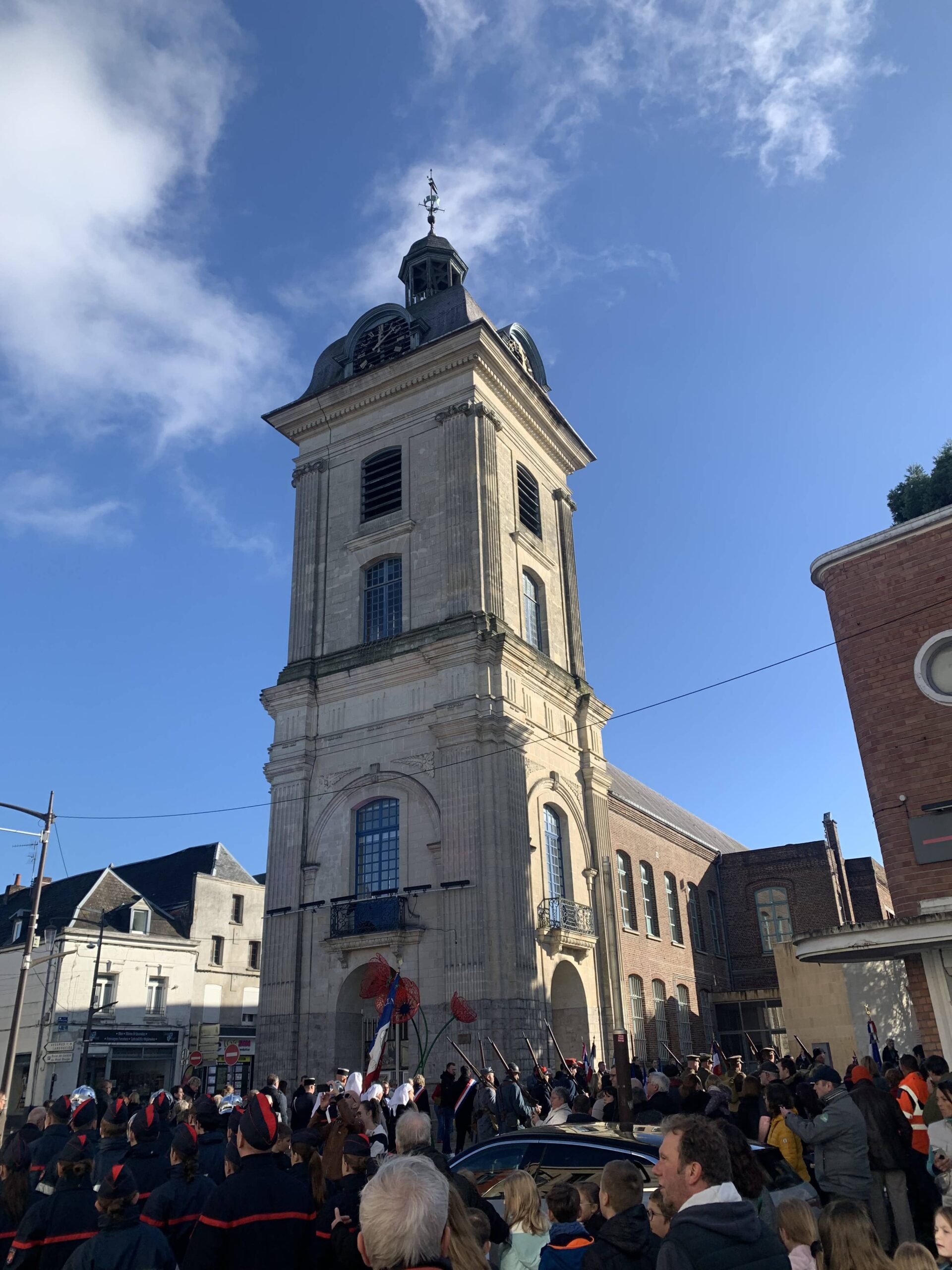
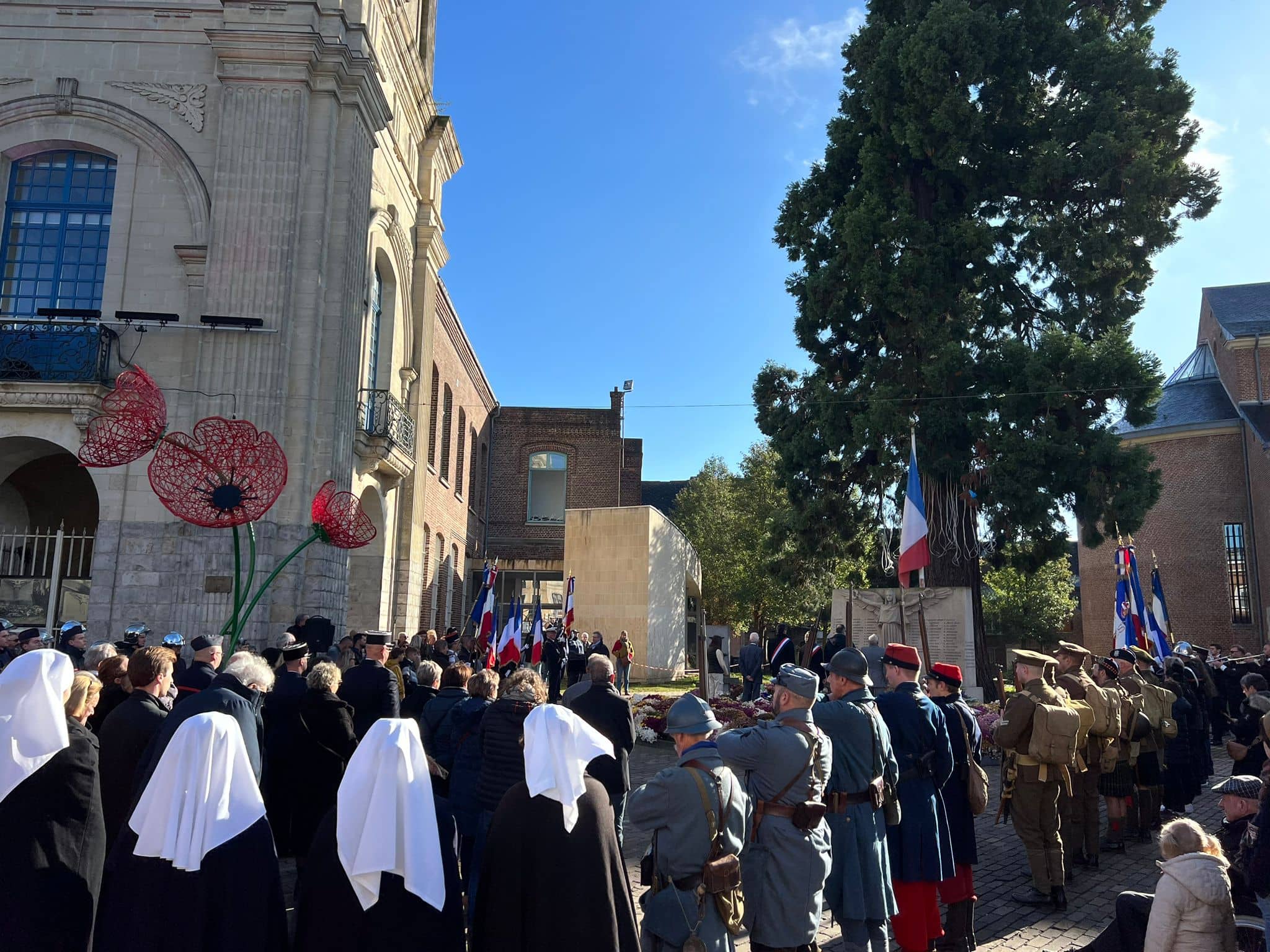
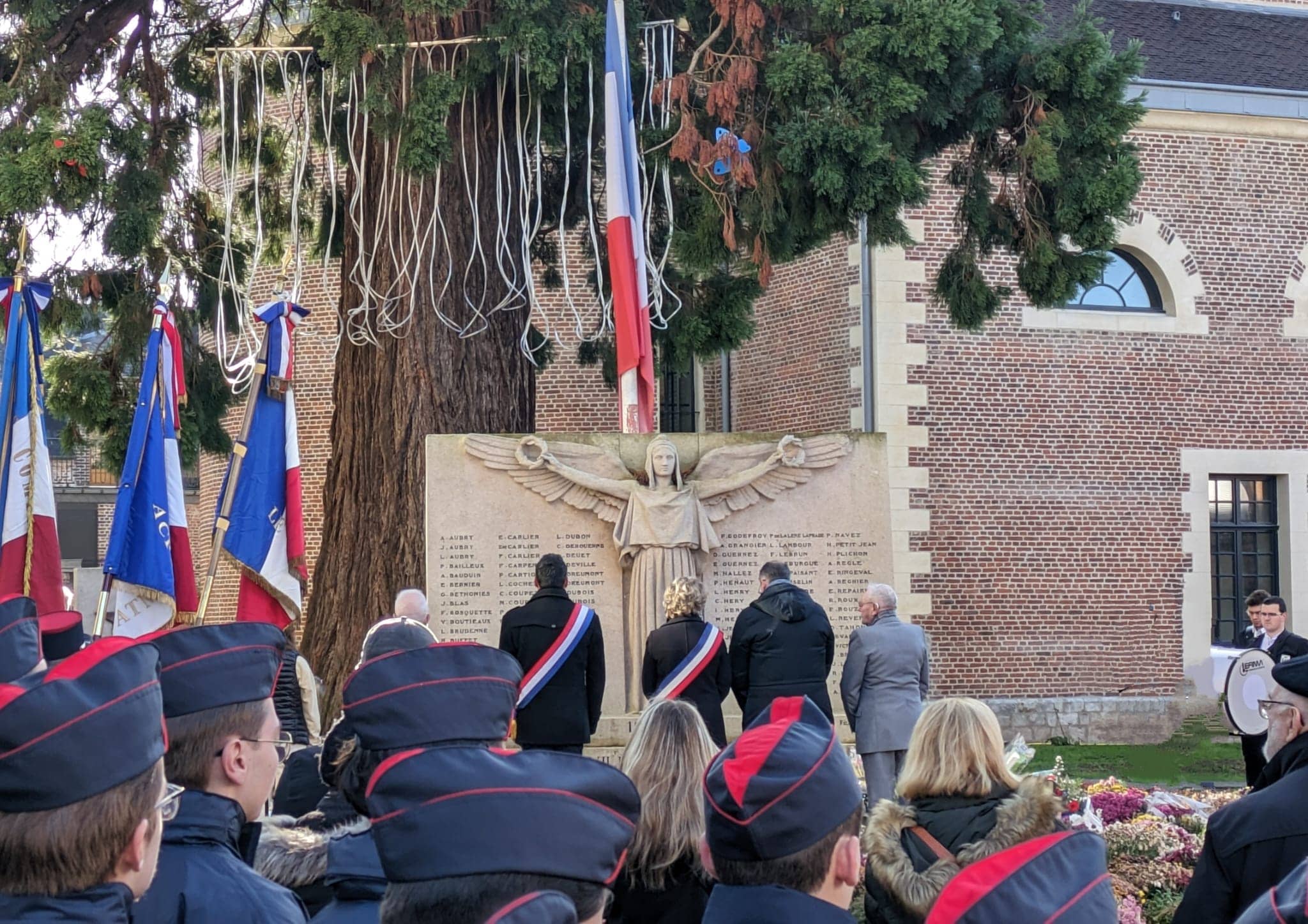
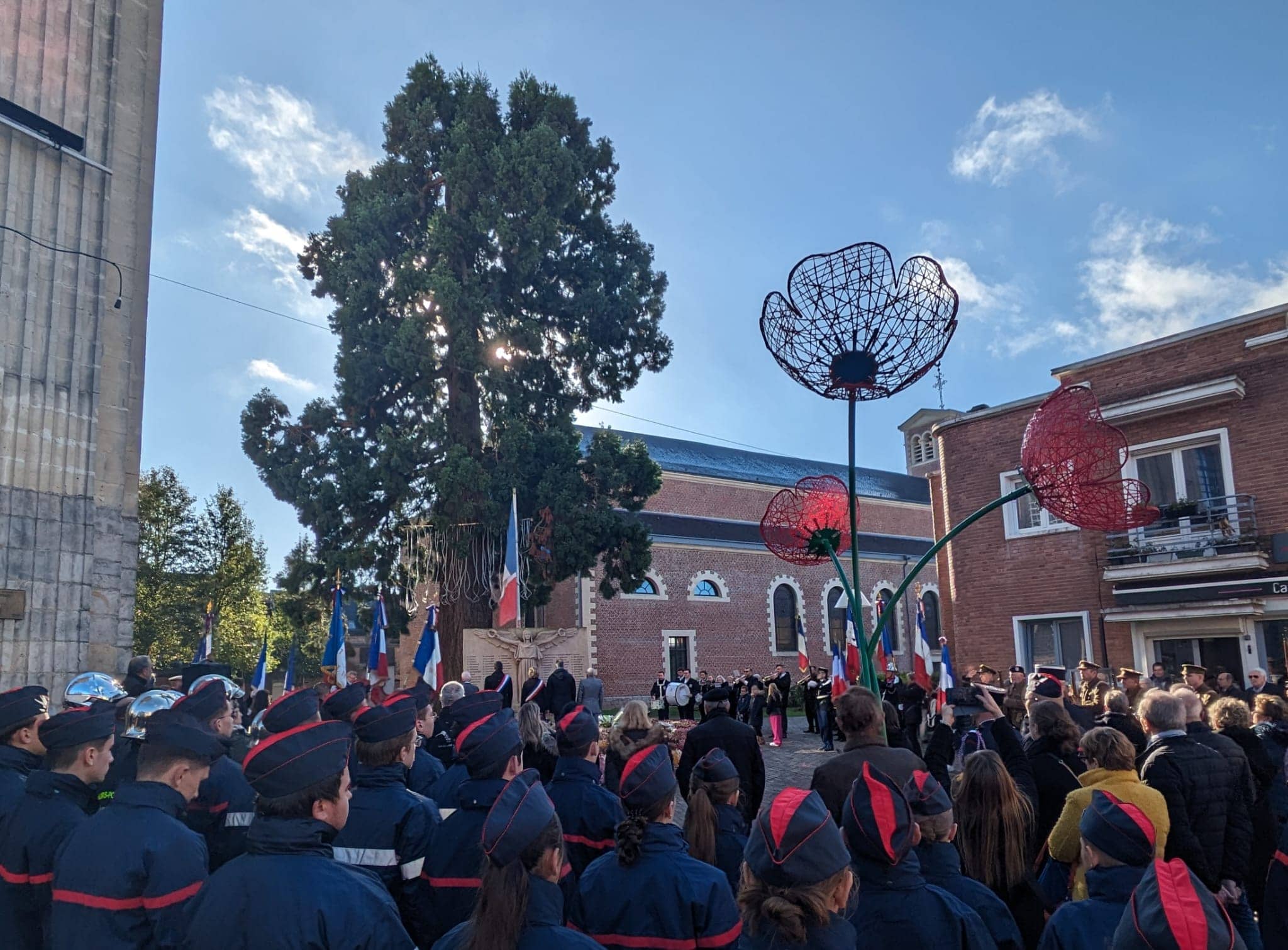
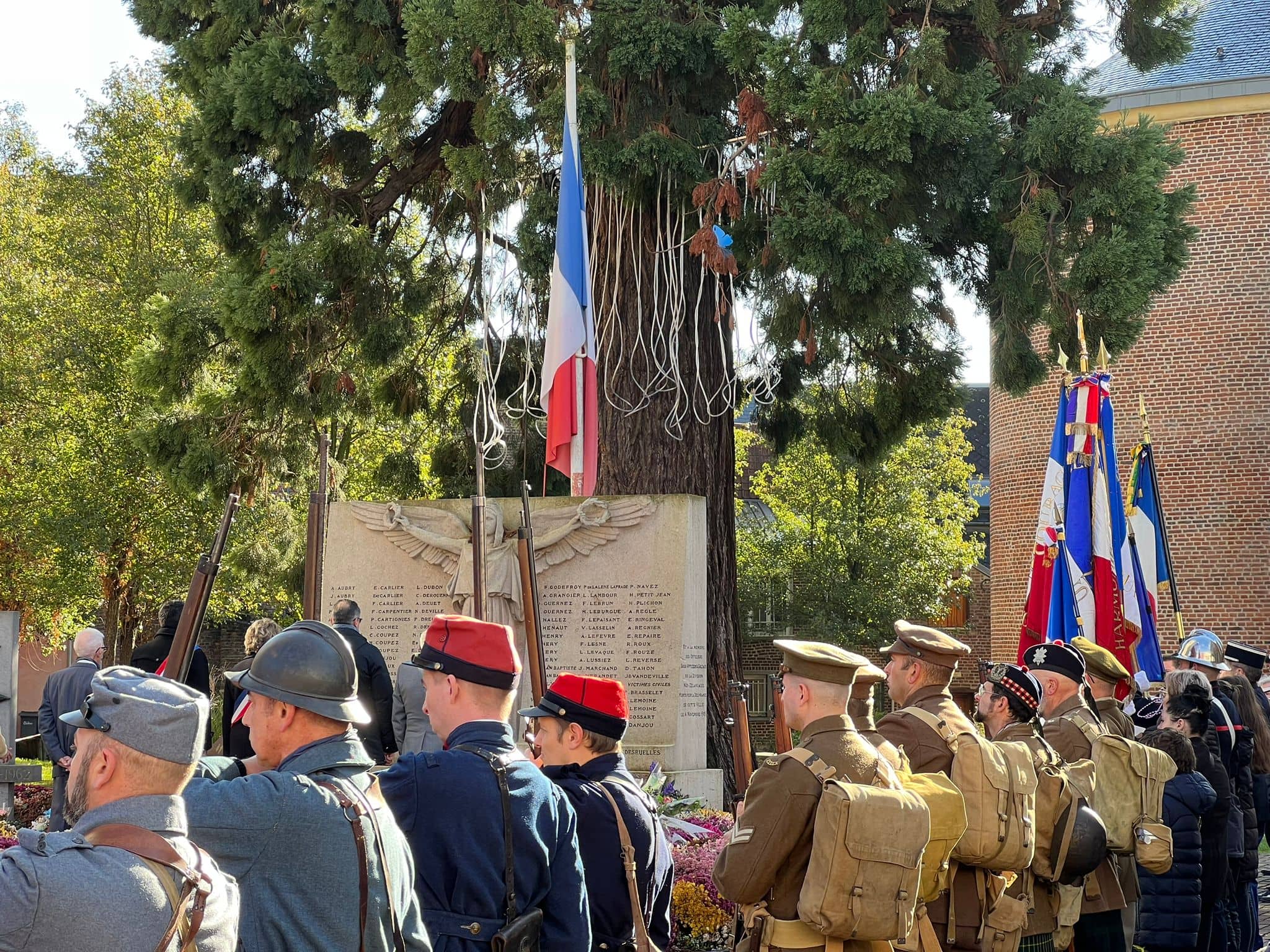
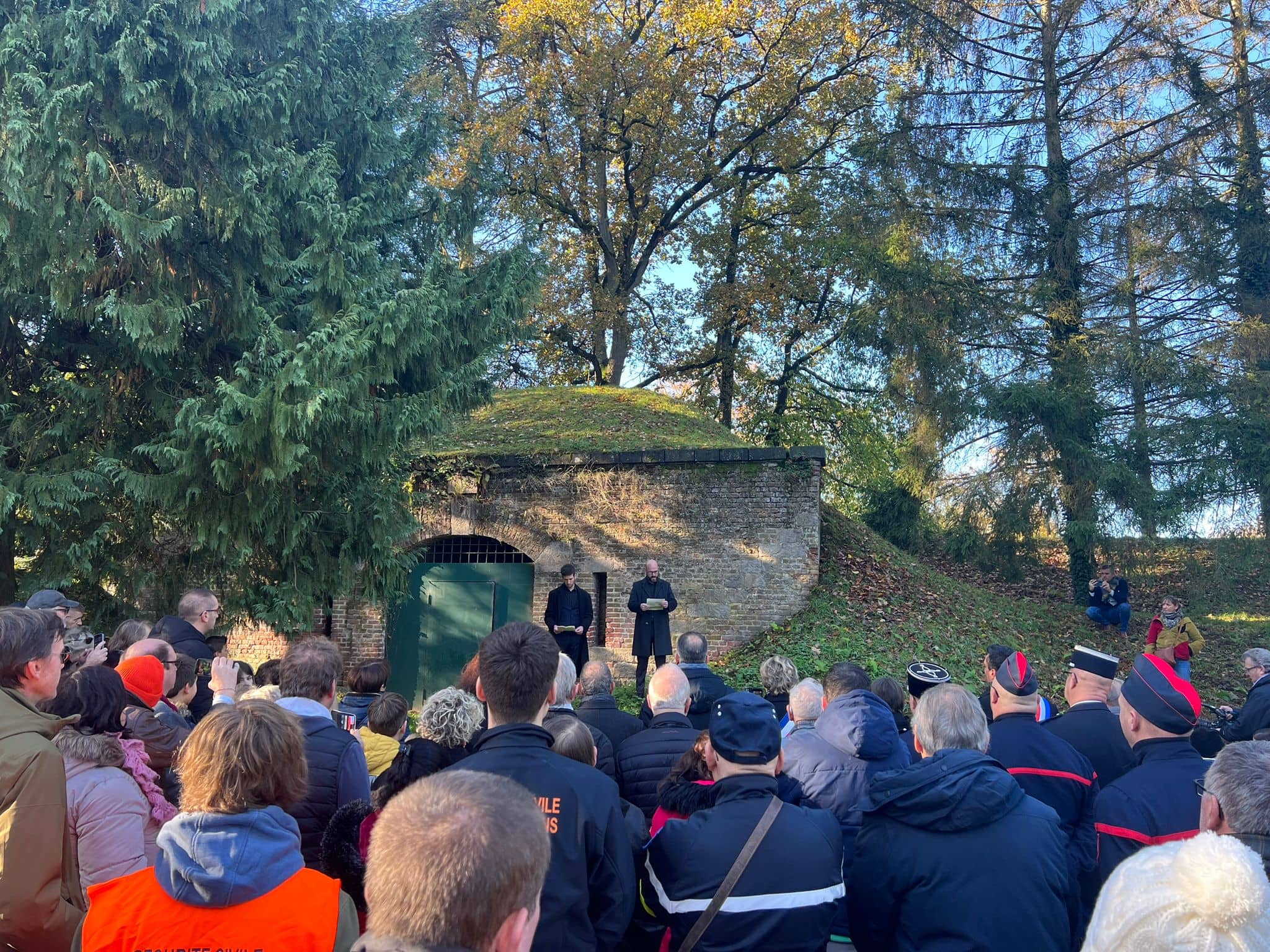
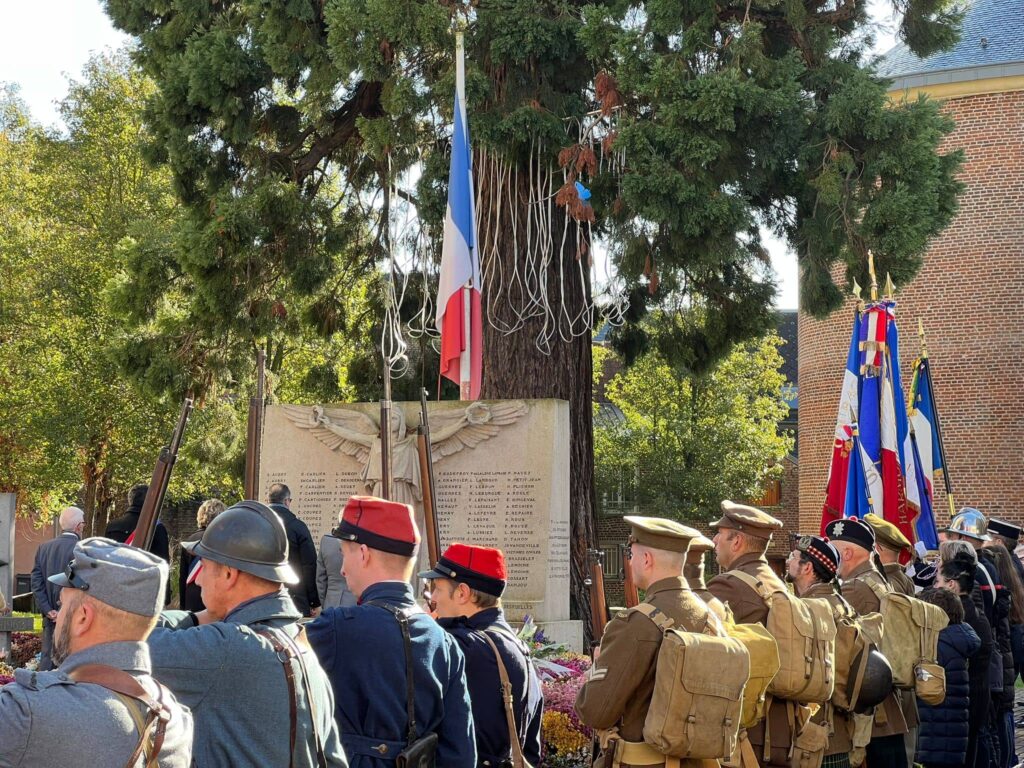
105 years on, Le Quesnoy commemorates Armistice Day (or Remembrance Day as it is known in New Zealand) with a series of events over two days. On Friday a ceremony in the town remembered the soldiers from the town who died during the first World War. 

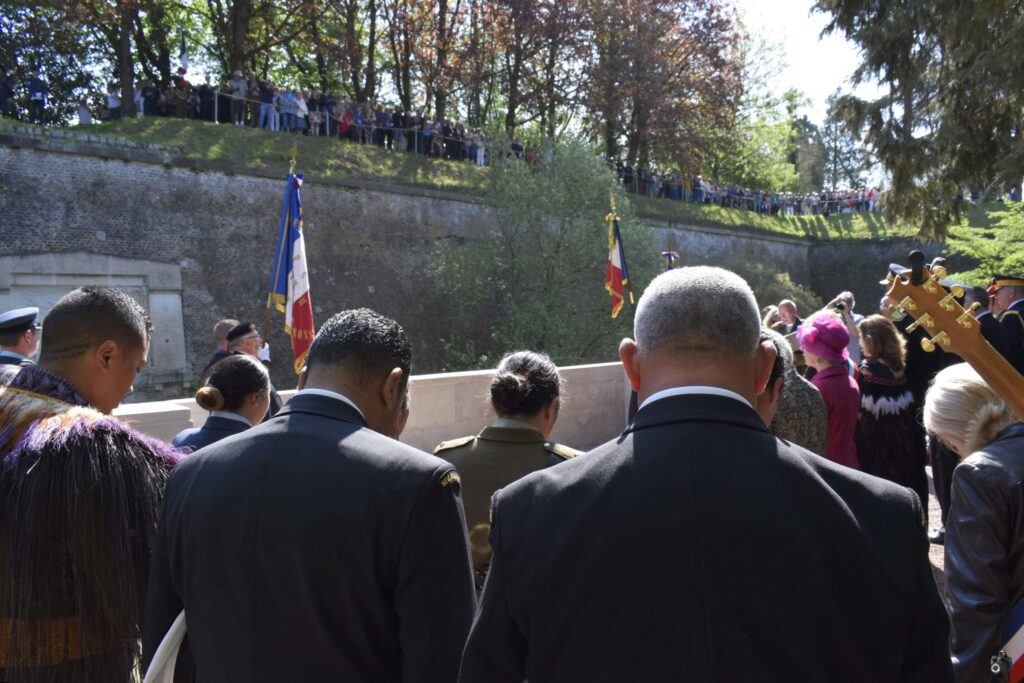
Then, on November 11 at 11am a procession left from the town square, walking to the Le Quesnoy New Zealand memorial, and onto the war memorial in the town for the main ceremony.

Day of Le Quesnoy liberation remembered

On November 4, 105 years ago, soldiers from the New Zealand Rifle Brigade ascended a single ladder, climbing the 13m high ramparts, to start the liberation of Le Quesnoy after four years of German occupation. 

Every year residents of the town commemorate the liberation on November 4 and on Anzac Day. On Saturday the town held a special ceremony at 11am, followed by a lunch, and in the afternoon, Raymonde Dramez, the former Mayor of neighbouring Beaudignies, ran free guided tours of the NZ Liberation Museum – Te Arawhata and its surrounds.

The museum takes the name Te Arawhata (which means The Ladder) from the resourceful way the soldiers made their way over the wall and into the town. While this approach helped to ensure no civilian lives were lost, as they did not fire over the walls, many New Zealand soldiers died and are buried in the cemetery in Le Quesnoy.

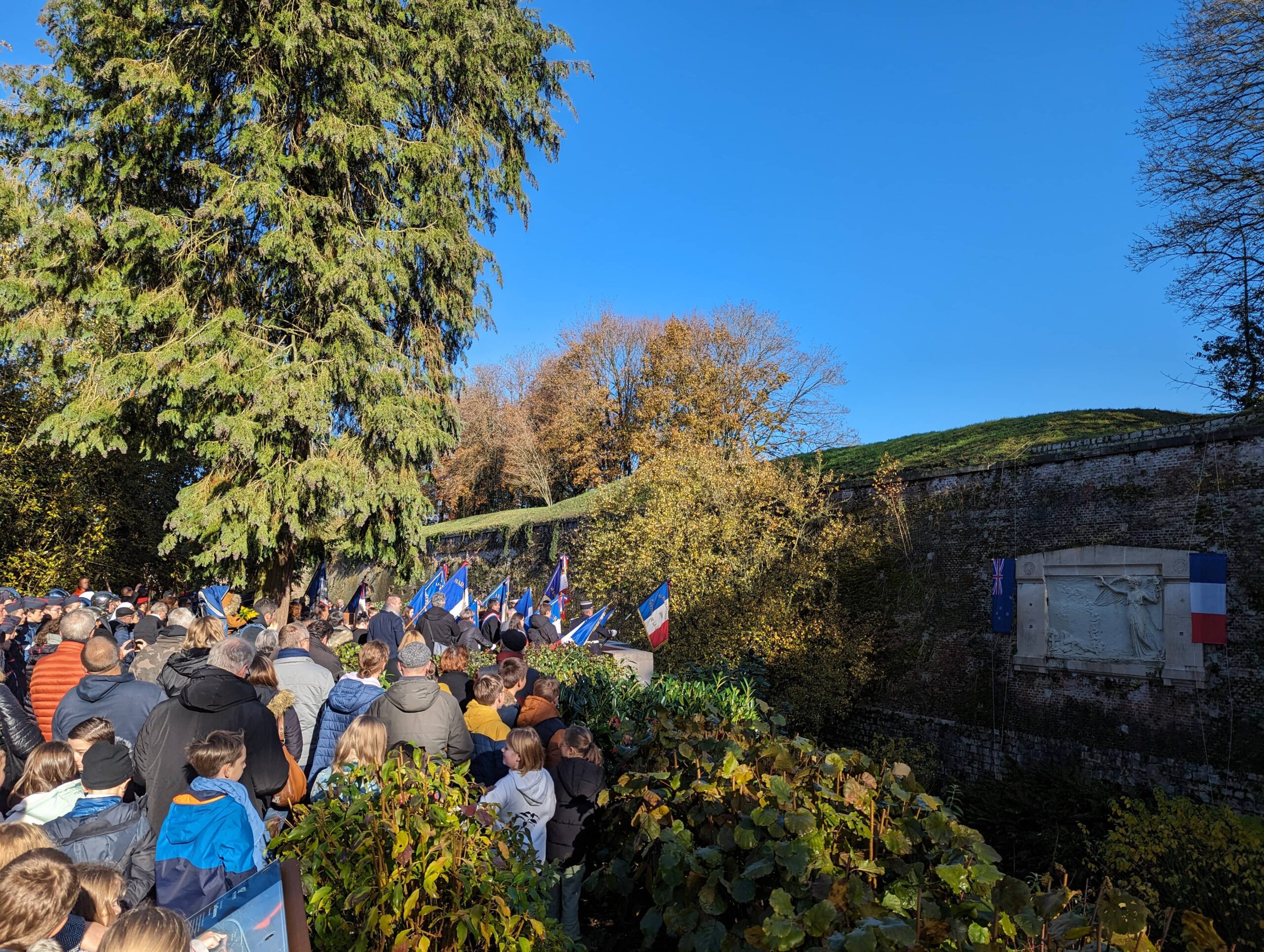
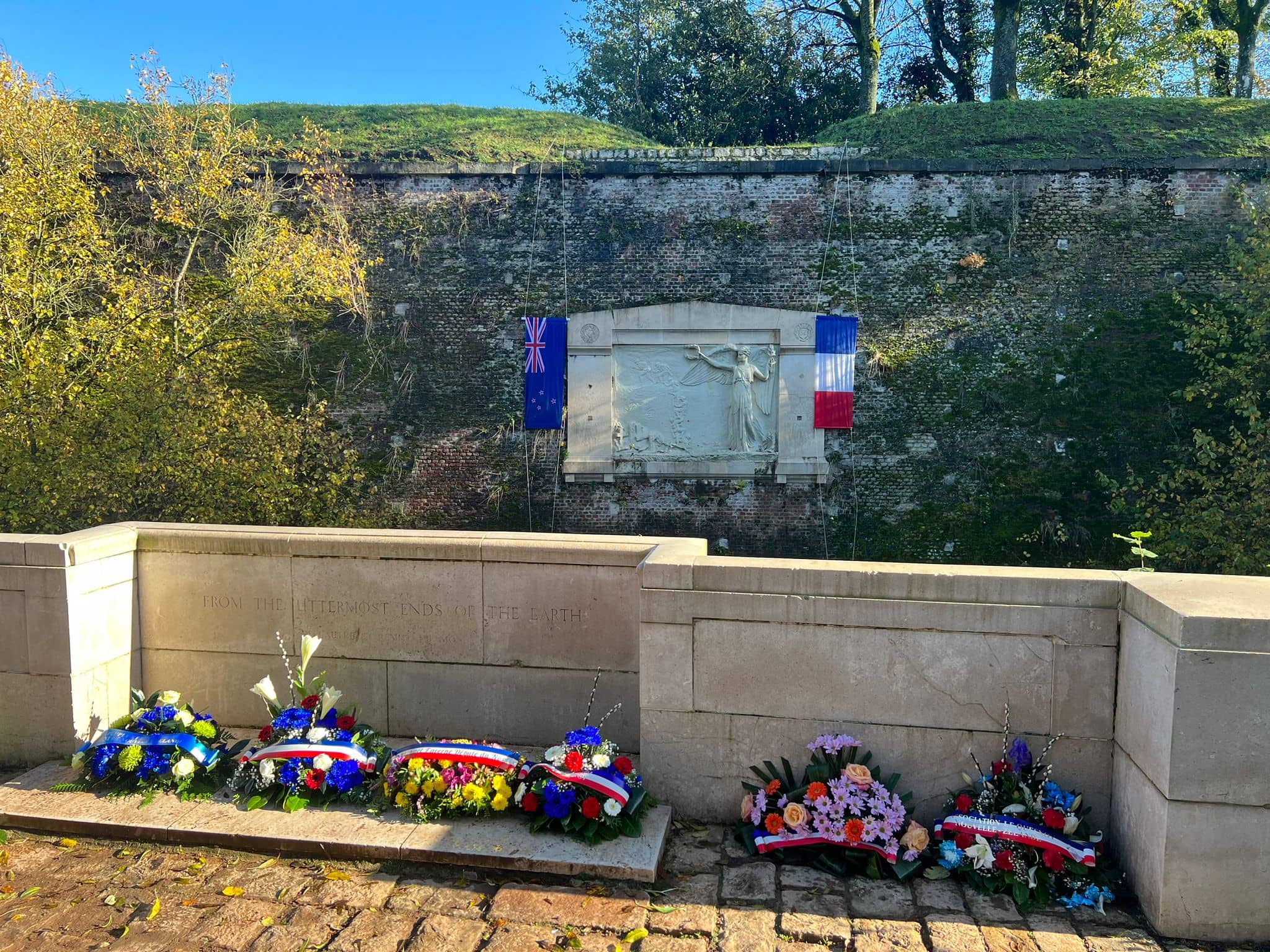
Earlier this year, on July 15, the 100th anniversary of the unveiling of the Le Quesnoy New Zealand Memorial was marked. In 1923 the induction ceremony was attended by Leslie Averill, the first soldier up the ladder which led to the liberation. This photo shows Averill pointing towards the location of the ladder.

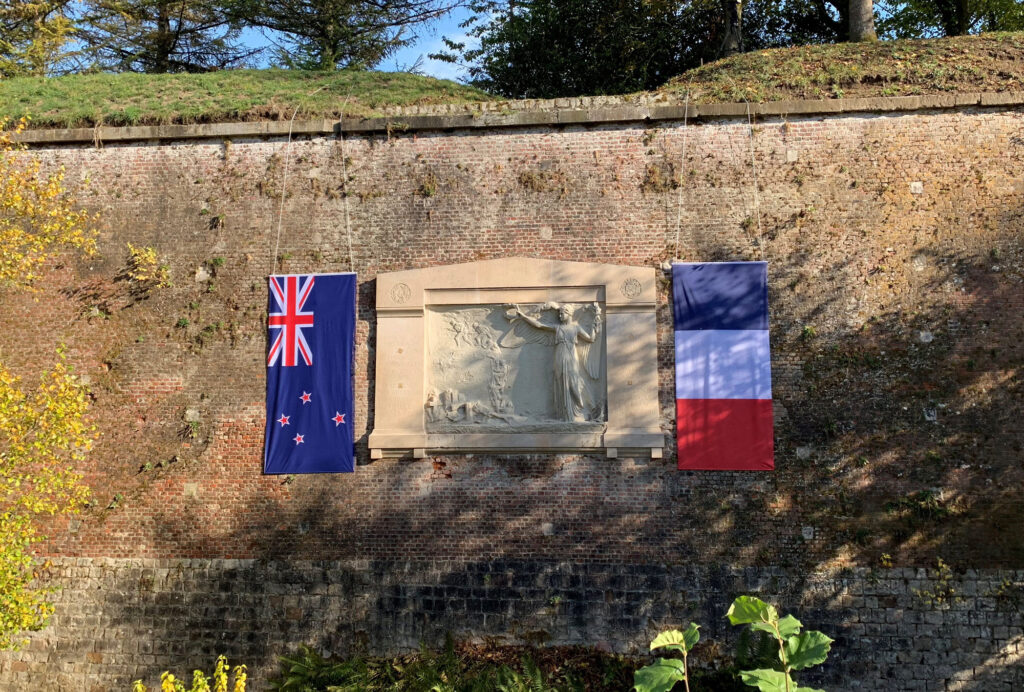
The memorial plaque, jointly made by New Zealand sculptor Alex R. Fraser and French sculptor Félix Desruelles, is set into the ramparts near the spot where the Kiwi soldiers scaled the walls.  


Photo: Leslie Averill at the dedication ceremony for the New Zealand memorial at Le Quesnoy, France, 1923. 

Credit: Alexander Turnbull Library, Wellington. Ref: PAColl-6181-19.

Felicity Wilson – Home again 

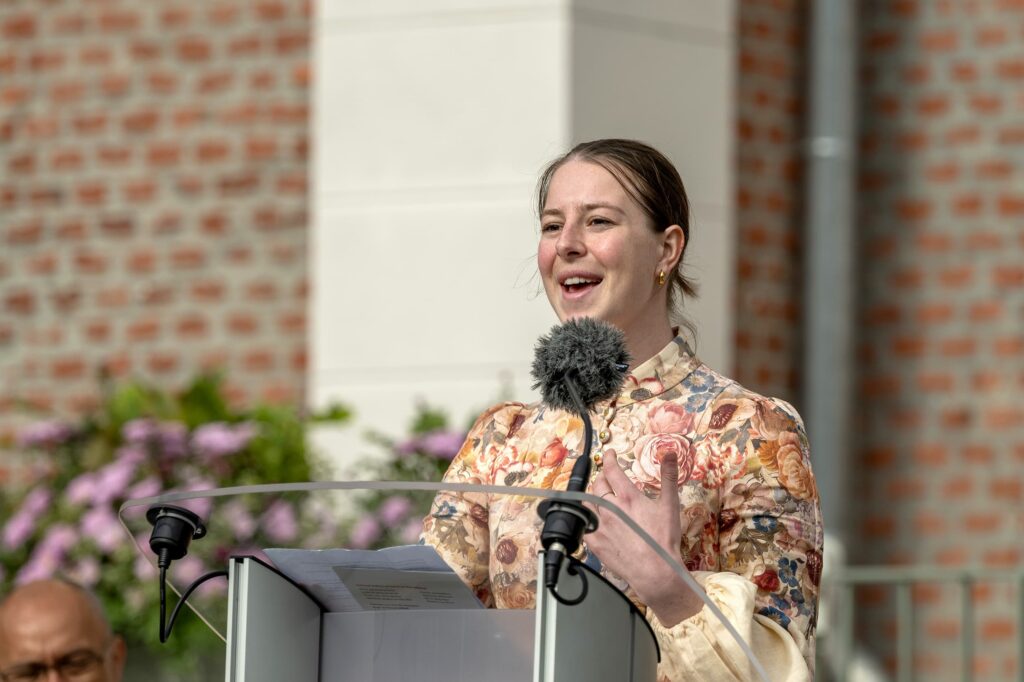
When history comes to life, it leaves an enduring mark on your soul. And that is precisely what happened when I had the privilege of delivering a speech at the opening of the New Zealand Liberation Museum – Te Arawhata in Le Quesnoy. 

When I arrived, I felt as though I was home again. The town’s picturesque charm and heartfelt welcome from its residents created a loving atmosphere of unity and appreciation, making the museum’s opening a truly poetic experience.

I first laid eyes on the museum building in late 2022 when I was on my OE. Back then the interior was bare. This time round the museum’s walls have become vivid and deeply meaningful – to honour the memory of those who made the ultimate sacrifice. Lately I have become captivated by the power of history and the importance of remembrance, and I was profoundly moved by the impact the museum had on me.

The significance of this museum cannot be overstated. It serves as a poignant tribute to the heroes of our past, immortalising their sacrifices for the many future generations that I know will walk its halls. The stories, photographs and atmosphere of the museum has a unique power to connect us to our past and remind us of the importance of honouring those who came before us, like my great-great uncle Gladstone Wilson. They are the true reason we were all gathered for the official opening.

That day was a culmination of hard work, dedication, and a shared commitment to preserving the memory of those who have served. So I extend my gratitude to every individual, from the awesome team at Wētā Workshop, historians, donors, and of course the volunteers who are the fundamental cogs that make a project like this successful.

Every handshake, hug, tear shed, and stories told from all the individuals present has been cemented in my heart. However, the completion of this remarkable structure is not the end, but the beginning of a new and essential chapter in the museum’s mission. It is now our collective responsibility to ensure that this museum endures and thrives for generations to come. We must be the custodians of the legacy it represents, guardians of the stories it tells, and the keepers of remembrance.

Let us remember, let us honour, and let us work together in this new chapter to keep history alive.

He tangata, he tangata, he tangata. It is the people, it is the people, it is the people. 

From the field to the front

Exhibition tells All Blacks’ war stories and highlights rugby’s societal impact 

When Colin Gibbons found out a museum was being built in France to honour the Kiwi men and women who served in World War One, he knew it needed a dedicated rugby exhibition.

“Dave Gallaher, the captain of the 1905 Originals All Black team, died tragically in World War One,” says Gibbons, of one of New Zealand rugby’s most famous names. “There were 93 All Blacks among the almost 100,000 Kiwis who served in the first World War. Thirteen of those All Blacks, including Gallaher, were killed.”

Gallaher is buried at Nine Elms British Cemetery in Belgium near the town of Poperinge which is 100km from Le Quesnoy in north-east France, the location of the New Zealand Liberation Museum – Te Arawhata which opens on October 11.

The idea of a rugby exhibition was born during a conversation Mr Gibbons had with Sir Don McKinnon, the chair of the trust building the NZ Liberation Museum, who is a close family friend. 

Dave Gallaher 1905, Credit – Archives New Zealand

“There needed to be part of the museum that documented how rugby started in New Zealand, how many All Blacks and provincial and club players fought in the war, how New Zealand became the leading test playing nation, and the important part the game played in our country as it developed.” 

Mr Gibbons’ enjoyment, involvement, and love of rugby and the history of the game is no surprise given he is a proud old boy of Nelson College, the site of New Zealand’s first ever rugby game held on Saturday, May 14, 1870.

“It was between Nelson Club and Nelson College at the Botanical Reserve. Charles Monro, who was the instigator of the game and regarded as the person who introduced rugby to New Zealand, played for the club side which won 2-0.”

Mr Gibbons and his friend Hugh Jones have helped fund the development and installation of the exhibition, From the Field to the Front, at the NZ Liberation Museum – Te Arawhata.

The main part of the museum is dedicated to telling the story of the liberation of Le Quesnoy by Kiwi soldiers with an innovative visitor experience created by Wētā Workshop. However, From the Field to the Front will be located in a separate gallery space which can be changed out for future exhibitions.

Curated by Jo and Steve Brookbanks, and designed by Nick Eagles from The Letter Q, the exhibition is not just for rugby fans, and highlights the standing the game holds in New Zealand’s cultural fabric.

Jo Brookbanks, a Public Progamme Content Specialist at Auckland Museum, says they wanted to tell a far broader story with rugby and Dave Gallaher and the 1905 All Blacks at its centre.

“It’s a look into our society because the rugby players are also just sons and husbands, and they have people at home worrying about them the whole time. They’re just doing what they can to get through each day and one of the things that helped them get through was playing rugby with their mates.”


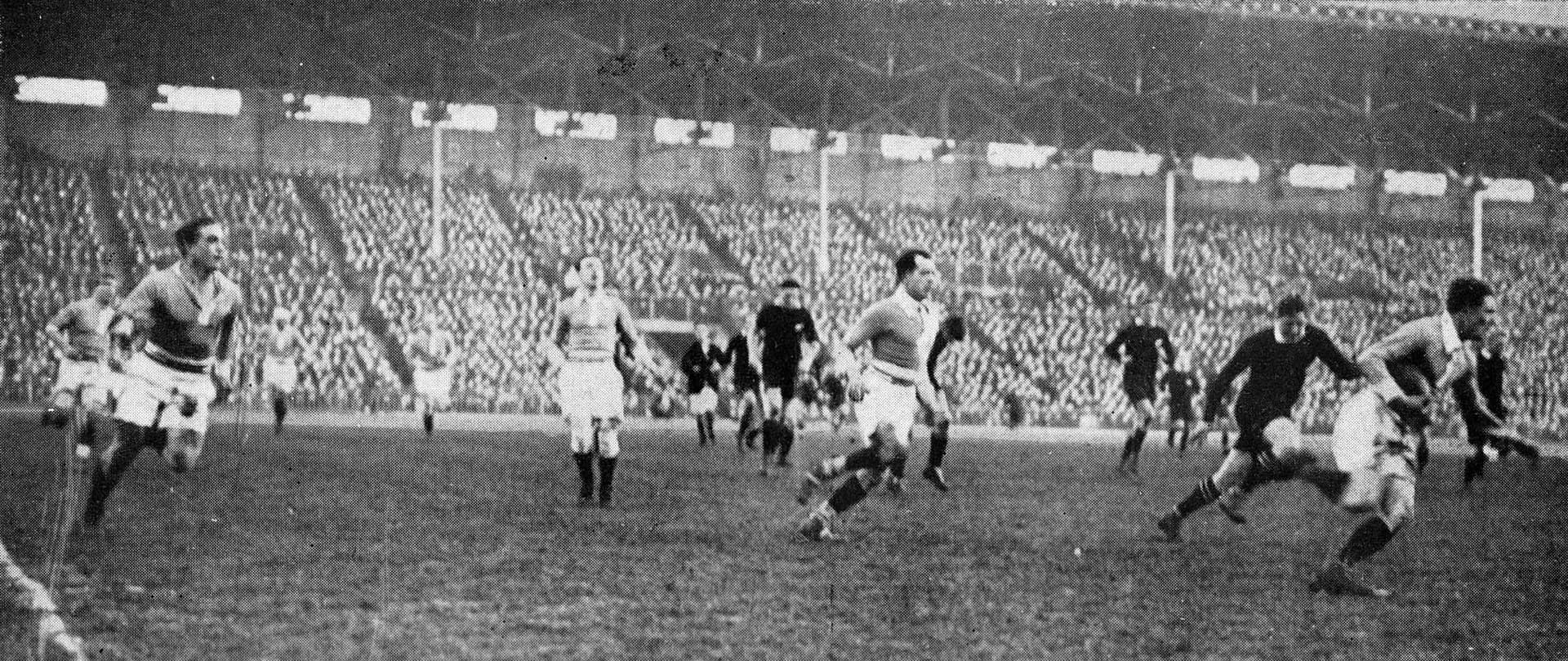
France vs All Blacks 1925, Credit – Postcard Unknown author

The exhibition also extends beyond the All Blacks, including profiling the Māori All Black teams and a women’s team, resplendent in long skirts and blouses, playing rugby against soldiers in a fundraising game from 1915.

Brookbanks laughs about the quotes from the game that featured in the Dominion newspaper on April 24, 1916, under the headline: BURLESQUE FOOTBALL AT ATHLETIC PARK 

“Soon after 3 o’clock the ladies’ team made their appearance on the field and began throwing the ball about with a skill that promised well for their chances. The ladies won, of course, but what they won by, or how, no one knew or cared.” 

“It’s gold,” says Brookbanks. “I just love how they are wearing the hobble skirts and blouses while playing rugby and just having a real fun time of it.”

For Brookbanks, the All Blacks and rugby players who went to war, were a microcosm of society. 

“You’ve got guys who went who were very gung-ho, they were up for it, and it was an adventure. Then you had reluctant guys who did not want to go and were conscripted.

“You’ve got men who received medals, and then you’ve got men who had trouble with discipline and ended up getting field punishment Number 2. All these different blokes who had experiences of war, but the common denominator was that they played rugby as well. 

“These men who went and had this common experience, it was almost like it was rugby that got them through. At every touch point, whether it was training or just being able to get away from the front lines, rugby was this thread woven through their experiences as being a New Zealand man at that time.” 

The exhibition also documents how the game was impacted back home by the war effort, including strong recommendations to stand down war-aged men from playing rugby to ensure they didn’t get injured. 

“It’s quite intense with schoolboys taking their places on the field so there were still games for people to watch.”

On the soldiers return home, the impact of injuries was felt right across society and different sectors including many All Blacks who had their playing careers prematurely cut short. 

“There were farmers who would have got home and not be able to farm, or someone with a terrible facial disfigurement and came home and was shunned by society.

“That’s what the exhibition portrays – a slice of society through the lens of rugby. These stories of young men are deep, and quite sad, but very moving.”

 

Hero Picture: Original All Blacks, Credit – National Library of NZ

Felicity Wilson – Pack Up Your Life In Your Old Kit Bag 

Above Photo Credit: Military sewing kit or housewife (hussif), Auckland Museum

Comparing the kit bag of a World War One solider to my modern-day bag, and even a contemporary soldier’s kit, offers a captivating glimpse into the evolution of experiences we have as humans. 

The bags we carry on our backs, or wheel through the airport, are more than carriers of personal belongings; they reflect the times we live in. A soldier’s bag represents sacrifice, duty, comradery, country, and unity, and my bag speaks of freedom and exploration (and sometimes duty and sacrifice).

Felicity Wilson’s kit bag is vastly different from a WW1 soldier, but a sewing kit remains an essential.

Time has an extraordinary power to reshape the world we live in, and while it could be somewhat far-fetched for me to say, the evolution of what is contained in a travel bag is a poignant example of this transformation. 

Today, I can jet-set around the world with an array of luxuries in my suitcase, a stark juxtaposition to the kit bag of a World War One solider. 

Open a WWI soldier’s kit bag and you would find the essentials for battle: uniforms, rations, basic medical supplies, the bare necessities; the very essence of a soldier’s backpack was survival. In contrast, my bag is a vessel for exploration and discovery.  With effortless organisation it is stylish and filled to the brim with personal comforts, like noise cancelling headphones. 

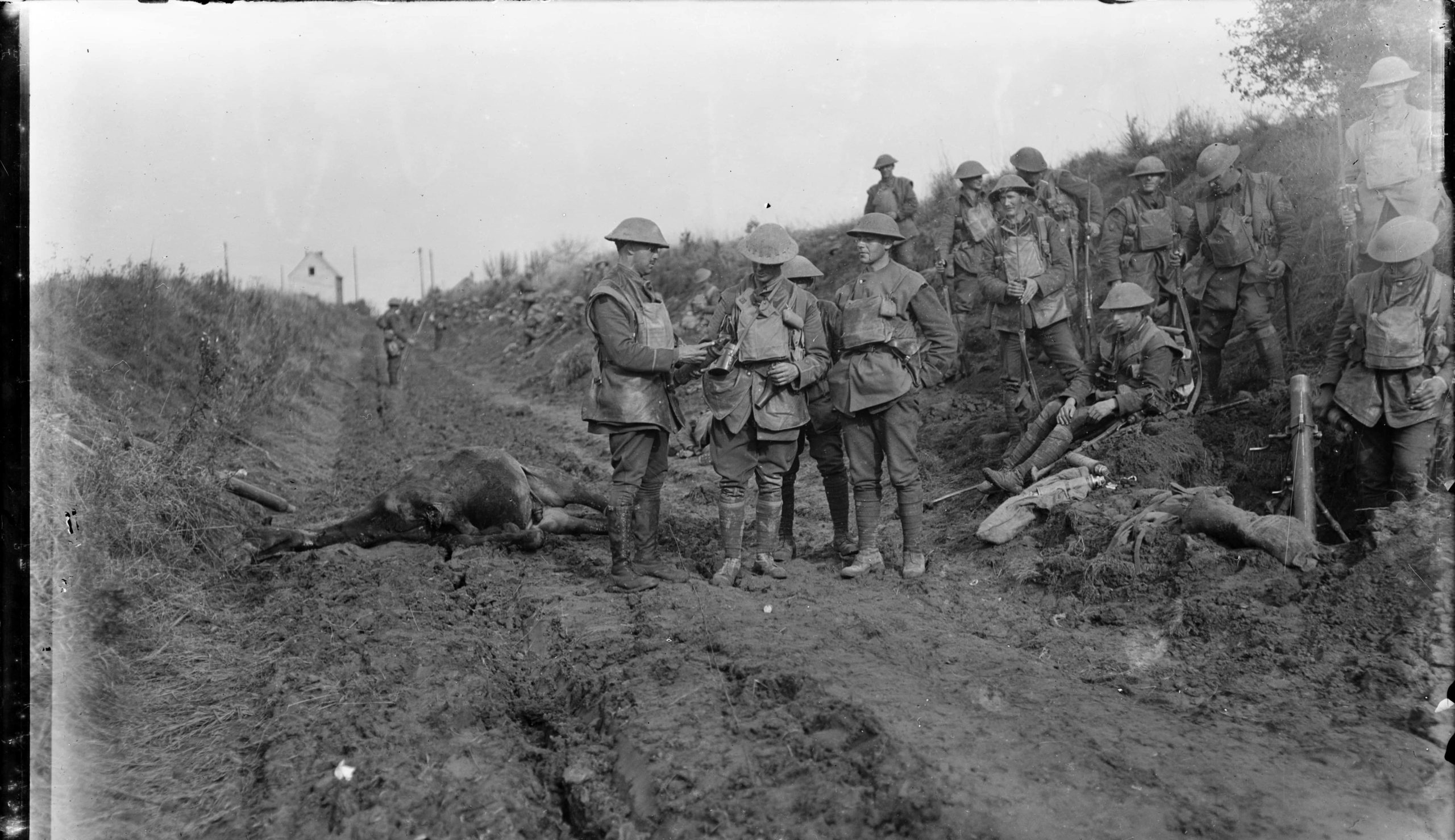
New Zealand soldiers at the front near Le Quesnoy

Credit: Royal New Zealand Returned and Services’ Association: NZ official negatives, World War 1914-1918. Alexander Turnbull Library, Wellington, New Zealand.

Even the simple canvas backpacks used by New Zealand soldiers in WW1 are a stark contrast to the comfort level, design, and durability of those used by a modern-day solider. During the first war, soldiers carried basic bags with only the essentials. Fast forward to now, and a soldier’s backpack is equipped with specialised compartments for gear, advanced medical supplies, a hootchie (or shelter) and washwipes. 

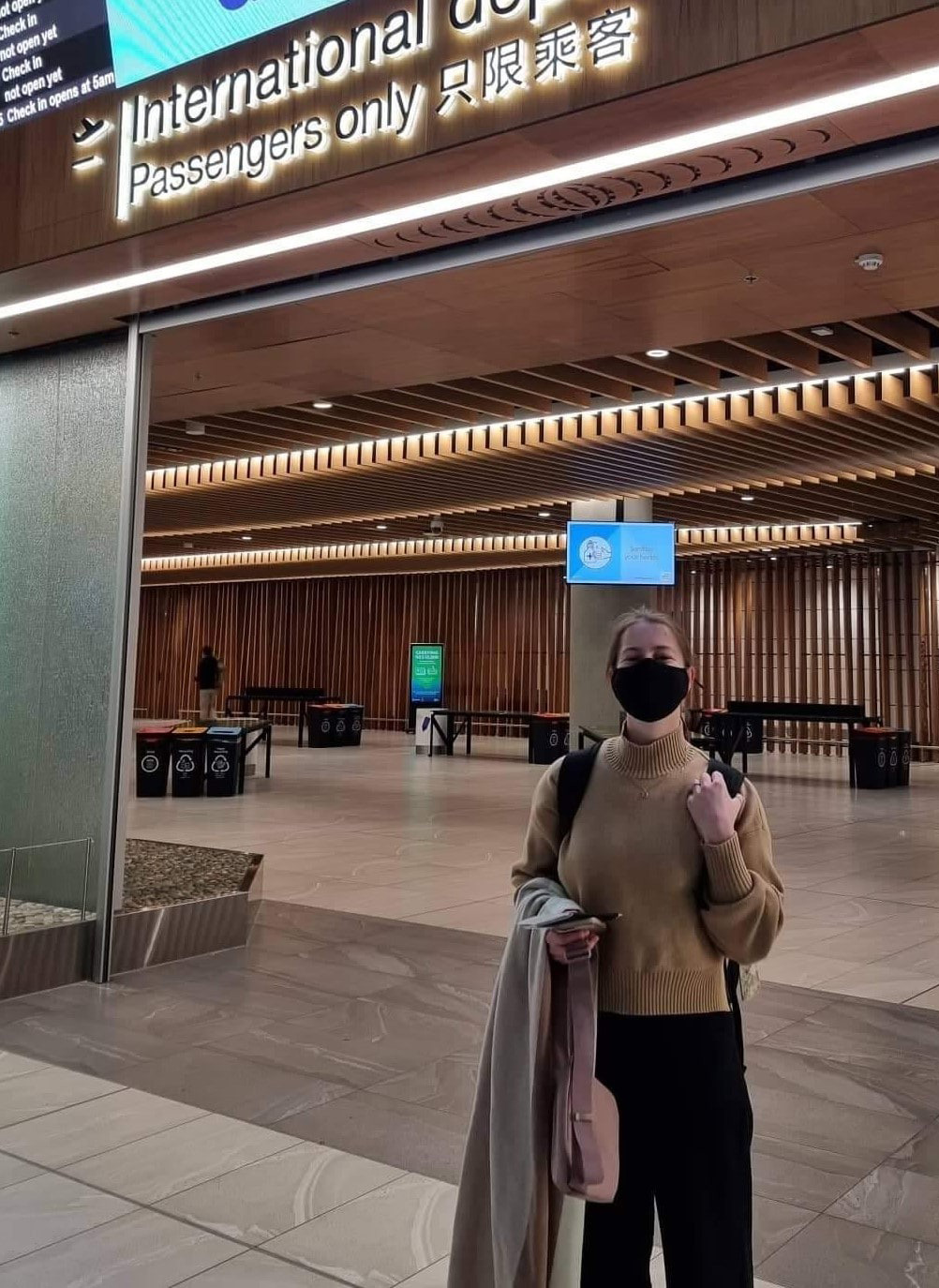
I will be attending the opening of the NZ Liberation Museum – Te Arawhata in October.  When I think of packing my bag, I will not need a gas mask, puttees, or life-saving supplies. Instead, I will aim for style and practicality. There is one notable similarity however, I always include a sewing kit for button emergencies. In a WWI kit the sewing tools were referred to as a “housewife”, that might be a little problematic today! 

As the world around us continues to develop, we must not forget that the essence of today’s travel bag echoes the soldier’s kitbag.  A soldier’s bag serves as a reminder of the resilience of humans and encourages a deeper, more profound understanding of the lessons the war continues to teach us. Whether we are in the trenches of war or the terminals of airports, these bags are a symbol of our individual journeys in time and have the power to connect us to those who came before us.

Sir Lockwood Smith – A Place To Remember, A Place To Learn

The New Zealand Liberation Museum – Te Arawhata in Le Quesnoy, France, will be a place of remembrance focussed on freedom, friendship and future – a future enlivened by educational linkages.

The town has an extraordinary history. Many of the conflicts of Europe that eventually culminated in the World Wars played out, in part, here. 

In liberating Le Quesnoy without destroying it and bringing freedom to its people at the end of the First World War, the New Zealand Division helped preserve an extraordinary heritage. 

While dozens of Kiwi soldiers were killed by the German defence, not a single French person perished. The friendship its people feel towards Kiwis is legend.

A castle and fortifications were first built on the site in the mid-12th century by Baldwin IV, Count of Hainaut.

Within 30 years the town was besieged – hundreds of years of intrigue and conflict would follow. 

Grandson, Baldwin VI, married into French royal family for diplomatic reasons to help strengthen stability.  However, he got caught up in the Crusades, became Emperor of Constantinople and disappeared.

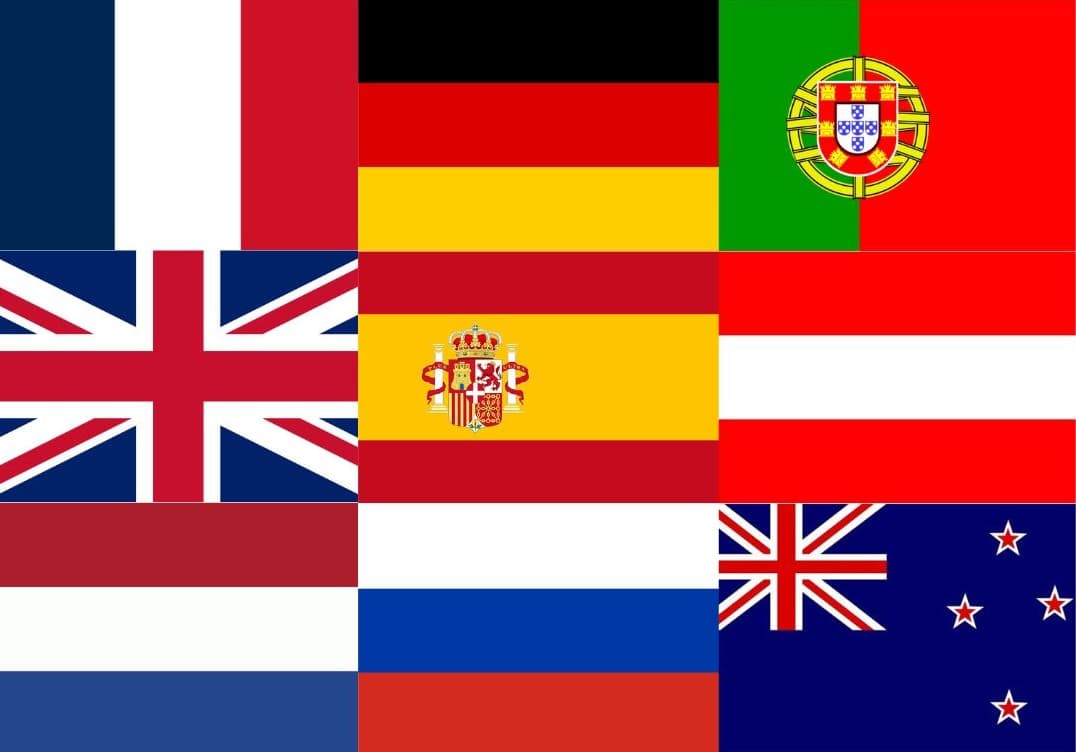
His daughter married into the Portuguese royal family, which linked Le Quesnoy to England and Germany, and meant war with the French in the 1200s.

Early 1300s, saw Count William I marry the sister Philip VI of France, which helped settle things, but daughter – Philippa of Hainaut – married Edward III of England. That meant Hainaut sided with the English and Flemish against France early in the Hundred Years War.

In 1340, the Duke of Normandy – son of Philip VI of France – besieged Le Quesnoy, but cannons on the ramparts repelled his French army. Adding insult to injury – Margaret, Countess of Hainaut – married Louis IV of Spain, the Holy Roman Emperor. The castle at Le Quesnoy was her preferred home.

In the late 1300s, things settled a bit. William IV of Hainaut married the daughter of Charles V of France. But, they had no children, so he married Margaret of Burgundy. 

Their daughter – Jacqueline, Countess of Hainaut – was betrothed to the Dauphin of France, but ends up in England, married to the Duke of Gloucester – brother of King Henry V. Le Quesnoy was again caught up in war.

The flags of the nations who have been involved in conflict in Le Quesnoy.

A succession of Dukes of Burgundy controlled the place in the mid-1400s. One, Charles the Bold, married Margaret of York – influential sister of Edward IV & Richard III. That meant England was still very much in the frame.

In 1477, the forces of Louis XI of France attacked. At first repelled, they came back with bigger cannons, breached the walls and took Le Quesnoy. But, just a year later – Maximilian, Archduke of Austria – arrives on the scene and drives the French out.

In the 1500s, his son, Philip the Handsome, gives Le Quesnoy to his sister – Margaret of Austria. But then, Phillip the Handsome’s son – Charles – becomes Charles V of Spain and, himself, Holy Roman Emperor.

Charles V comes to Le Quesnoy during a long war with France, and puts 20 years work into the fortifications. He made it so that cannons could fire in all directions from the walls.

In 1554 – Henri II of France – takes on Charles V at Le Quesnoy and retakes the town for France, but couldn’t hold it. The Spanish Inquisition would wreak its havoc on the town, and then in the 1568 Battle of Le Quesnoy, the Prince of Orange waded in, supported by a German army, and took the town – but not for long before Spain booted him out.

The Spanish would hold Le Quesnoy for number of years, but in 1654, Louis XIV used powerful artillery to retake the town for France.

It was he who had Vauban redesign and rebuild the famous fortifications, the ramparts still seen today. 

It would not be the end of conflict, however. The 1700’s saw the Austrians and French continue to fight over place. The Dutch and Russians even got involved at times prior to Great War. Then, on 23 August 1914 Germany took the town.

And that is just part the extraordinary heritage New Zealand saved on 4 November 1918 and how it was that soldiers came from the uttermost ends of the earth to bring freedom – to take Le Quesnoy with COURAGE, NOT CANNONS. 

Nick Smith – Ramparts reveal remarkable history 

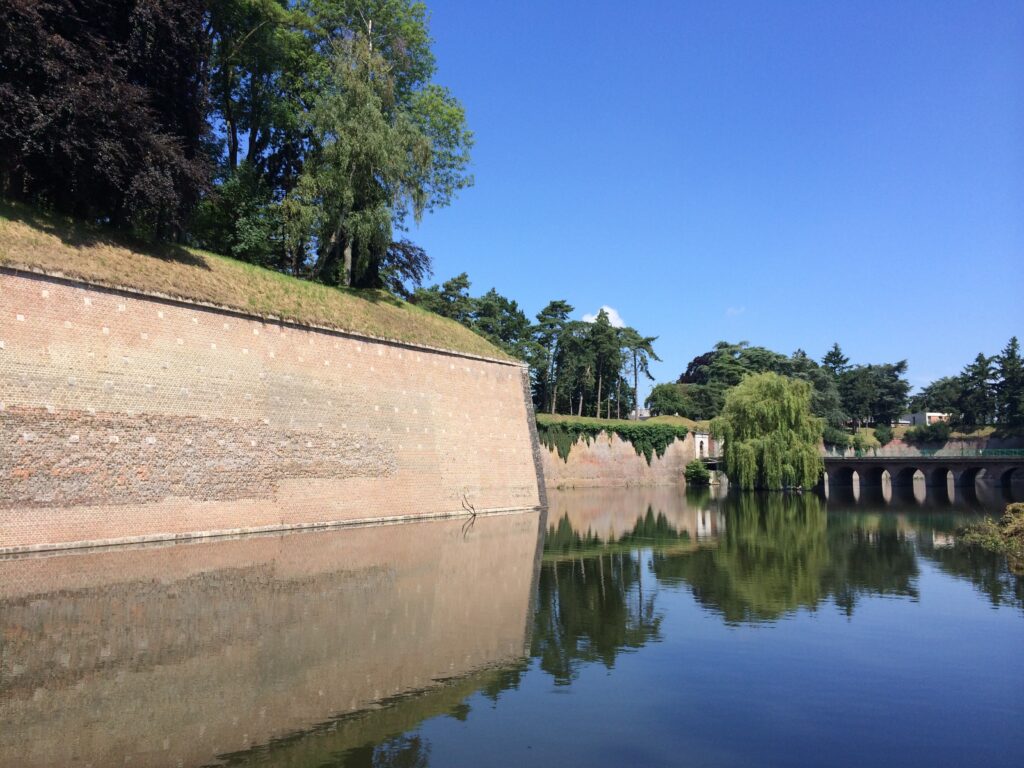
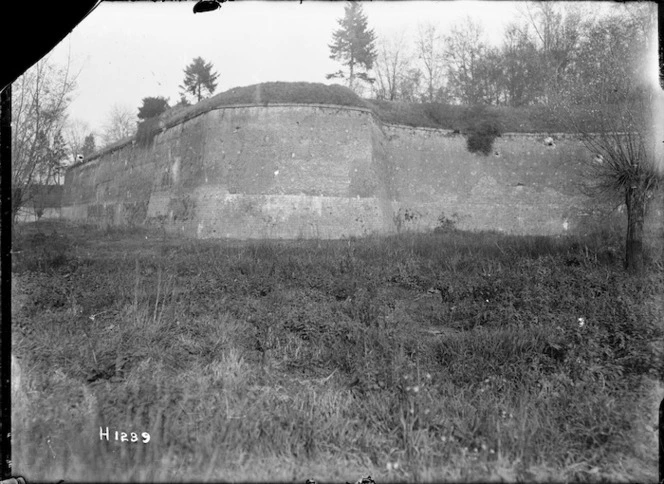
The ramparts in Le Quesnoy are an engineering marvel and a striking feature of the mediaeval French town.

Constructed in the 16th Century to defend what was then the Spanish Netherlands, the ramparts were reinforced after the region was captured by France in 1654. King Louis XIV ordered his military engineer, Sébastien le Prestre de Vauban, to build forts to protect the new north-east borders.

As a result of this work by Vauban and subsequent reinforcements, Le Quesnoy ended up with a maze of ramparts, high walls, causeways, tunnels and moats. The fortified outer walls stand six and eight metres tall while the innermost wall is a whopping 13 metres high.

While the ramparts at Le Quesnoy were considered old-fashioned by the 19th century, the German forces made good use of their defensive capabilities during their occupation of the town in WWI. That was until, of course, New Zealand soldiers famously used ladders on 4 November 1918 to scale the walls and liberate the town.

Visitors today can take a popular walk that follows the ramparts around Le Quesnoy for about 4km and marvel at these fortifications. Not only have the ramparts stood the test of time but they are a solid reminder of the strong bond that has been forged between France and New Zealand.

These ramparts are also a reminder of the geotechnical engineering excellence of the French that continues to this day with their involvement in major New Zealand infrastructure projects.


Hon Dr Nick Smith has a PhD in civil engineering, is a former Government Minister, a Fellow of Engineering New Zealand and is currently the Mayor of Nelson.

Felicity Wilson – The allure of traveling overseas during WW1

It is definitely no surprise to many when a person of my age finds the allure of overseas adventure, and the desire to escape from their ordinary lives, thrilling. Therefore, it must also not come as a surprise why the allure of adventure proved to be a compelling incentive that led many soldiers to enlist in World War One.

As fate would have it, it wasn’t until after my own remarkable journey I discovered that my great-great uncle, Gladstone Wilson, had fought and tragically died in Le Quesnoy on November 4, 1918. I often think about the drivers behind his decision to fight – how they parallel with my decision to travel, and how it ultimately led us to the same town in Northern France. 

Growing up on the same family farm as Gladstone, I couldn’t help but empathise with the very same aspirations that had spurred him to answer the call of war. Overseas travel (more of a rarity at the time) offered the prospect of excitement and personal growth to those from rural or small towns. Enlisting in the army promised a break from the rhythms of rural life, an escape from the mundane, and an opportunity to embark on a grand adventure.

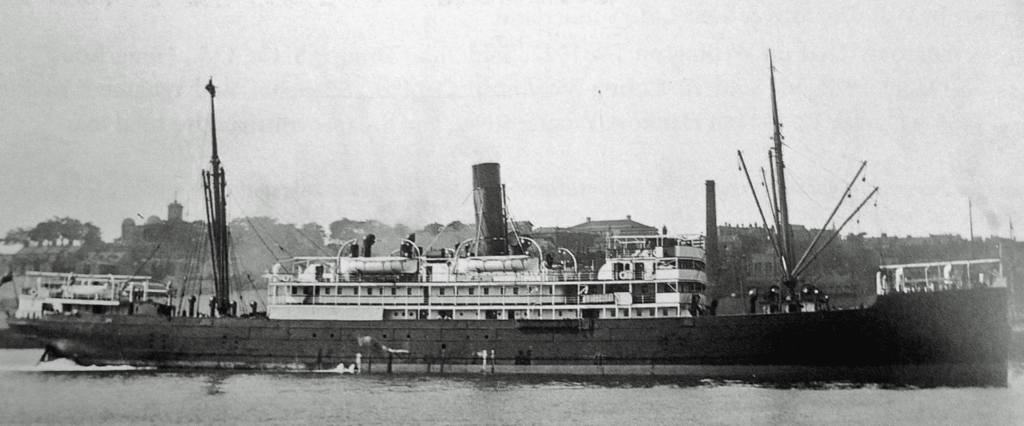
Both Gladstone and I were naively innocent of the world before arriving in France, not having travelled outside of New Zealand prior. I was eager for the day I would traverse around Europe, experience new landscapes, explore new cultures, meet new people and prove my courage, resilience and resourcefulness. The advancement of air travel made this dream an easy reality for me – but for Gladstone, the same journey to the other side of the earth on the ship Tofua is one I deem reserved for the daring and determined. 

As I reflect on Gladstone’s sacrifice and the motives that led us both to Le Quesnoy, I find solace in knowing that our shared spirit of adventure unites us across the generational time that has passed. Yet, as I sit here writing this, my heart feels heavy, I cannot help but acknowledge the chasm that separates our experiences. My return home to New Zealand is a sobering reality that Gladstone did not live to tell his tale.

May we remember not only the allure of adventure that guided many young men to fight but also the immense cost of war, and honour the memory of those who gave their all in the pursuit of seeking adventure, only to contradicted by the brutalities of the battlefields. 

 
Up next:

What’s in your overseas bag – that depends on whether you are a soldier in the early 1900s, or on your OE in the 2020s. 

Climbing in the footsteps of … my grandfather

Keeping history alive through stories, pictures, and passion.

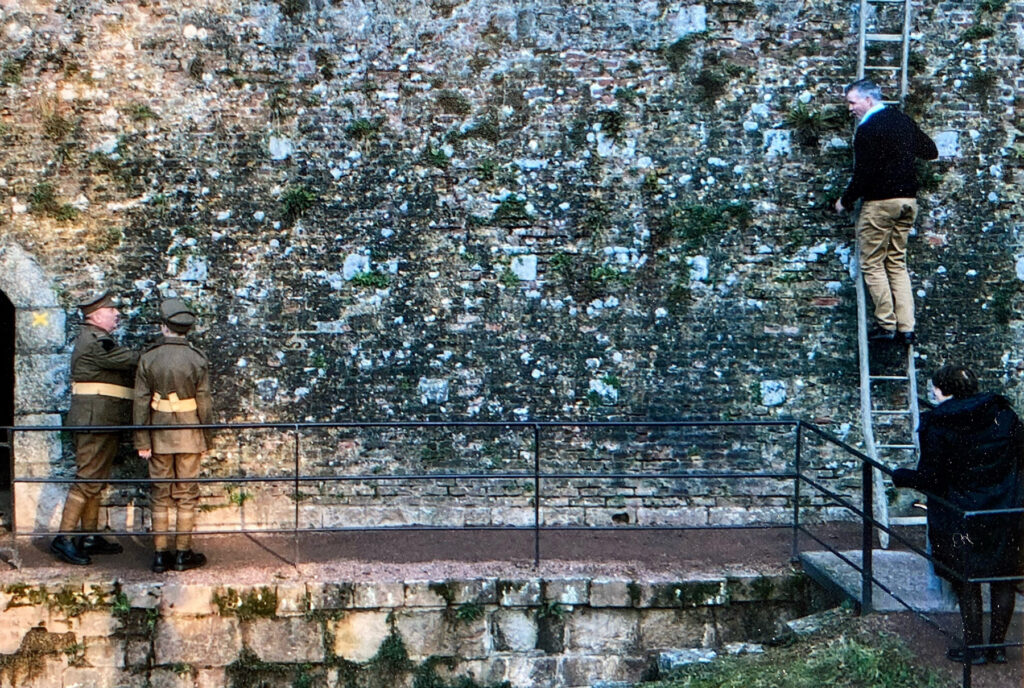
One hundred years to the day and minute, Andy Fox stood in the exact same spot his grandfather did before he climbed a ladder to scale the walls of the French town of Le Quesnoy during World War One. 

A photo was taken that day on November 4, 2018, when Andy and his family were attending the 100-year anniversary of the town’s liberation from German occupation. 

There’s Andy, standing five rungs up the ladder, just as 21-year-old Second Lieutenant Leslie Averill (his grandfather) would have done. Averill was the first soldier to ascend the ladder which led to the liberation.

“To spare civilian casualties and eliminate any need for artillery and bombing, their rather daring plan to gain entry to the town was to climb the walls using a ladder and open the gates for the rest of the force to enter,” says Andy.

The North Canterbury farmer has visited Le Quesnoy many times because of his grandfather’s connection to the town. 

Andy is now a supporter of the NZ Liberation Musuem – Te Arawhata which opens in the French town on October 11. It will commemorate the triumph of Kiwi soldiers who liberated the people of Le Quesnoy and the approximately 12,500 New Zealanders who died in Europe during World War One. 

For Andy, history is not just an interest, it’s in his blood. He collects classic cars, knows war history in great detail, and he smiles proudly when he talks about his farm being in the family for 150 years. 

Andy’s son George currently works the farm with him so he’s hoping it will stay in the family a little longer. “Succession planning is really difficult,” he says.  

He loves sharing excerpts from history books, telling stories, and showing old photos, including a 1918 aerial reconnaissance photo of Le Quesnoy that highlights the scale of the walls, all with the aim of keeping history alive for future generations.

Andy’s version of the liberation

He knows the story of his grandfather’s exploits in Le Quesnoy so well that when he tells his version of events he transports you back in time to the days around November 4.  

“A 21-year-old New Zealander, who happens to be my grandfather, has ended up in command of a group of men after rapid promotion following the battle of Bapaume – a very intense battle three weeks pervious where casualties were high. 

“At one stage, this young man was the only surviving officer in his Company. He is in charge of  leading a group of men of the 4th brigade from the New Zealand expeditionary force. At least 500 Germans have well defended positions in the town.”
He continues to set the scene for the liberation with descriptions of everything from the town to the mood of the German troops. 

“Le Quesnoy is a small town that is completely surrounded by eight metre high walls, and in places a moat, with the fortifications built 400 years earlier.

“As luck would have it, just before my grandfather climbed the wall, the Germans decided to leave their positions after becoming aware that the town was totally surrounded by the Rifle Brigade. They didn’t know of the relatively small number of New Zealand soldiers involved.

“Looking back, my grandfather realised how lucky he was in the timing of climbing the wall. Any resistance by the Germans at that moment would have made him and his group an easy target. But in all, 711 Germans were captured by a very small number of New Zealand soldiers.”
The lure of war 

Back in 1916 his grandfather and friend Paul Clark wanted to “do their bit” for the war effort. After a year of medical studies at the University of Auckland they both enlisted and by the end of 1917 they had been commissioned. 

“With the confidence of youth,” says Andy, “they were not put off in the least by the poor survival rate among junior officers on the Western Front. As my grandfather later acknowledged, he was lucky to survive the war.  

“He was the only officer in his company not to be either killed or wounded during the battle for Bapaume, which sadly took the life of his best mate Paul.”

For his actions at Bapaume and Le Quesnoy, his grandfather was awarded the Military Cross.

“The people and town of Le Quesnoy are still very grateful to those New Zealanders. There are many street names inspired by New Zealand and École du Dr Averill is a school named after my grandfather.

“On Anzac Day we remember, as we should, Gallipoli, the Somme and Passondale. But Le Quesnoy is also important. It was unique in that as a miltary campaign it was a complete success. So Anzac Day is a day to remember all those who have served and died.” 


Felicity Wilson – Talkin’ about my generation 

I’m 23 years old, why do I care about an old war? Well, from a very young age, I had the wonderful privilege of being immersed in a world of handwritten journals, black and white photographs, and evenings with family watching old picture slides.

My grandparents taught me the importance of preserving our stories, recognising the relevance of historical events in society today, and valuing lessons we can continue to learn from them. 

It nurtured my love of history and a passion for delving into significant historical events like World War One. While the stories of my ancestors are seemingly from a distant past, learning about each generations’ experiences helps to bridge that time gap, creates a stronger connection to my family, and supports me to build a stronger self-identity.

I loved reading my grandmother’s journals, with beautifully told stories about adventures like Pop (her father) traveling the Grimsel Pass in Switzerland. That inspired me to drive this same road on my OE last year.

Beyond the personal narratives, studying events like World War One at a young age inspired many life lessons and instilled values I live by today. It encourages empathy and gratitude for the sacrifices made by those who went to war and creates a deeper awareness about how war was a catalyst for many significant societal changes. 

As a young woman, reading non-fiction war books were a reminder that World War One led to the challenging of gender roles and women’s rights, as well as advancements in technology and medicine. Additionally, as future leaders, history equips us with the knowledge to understand the consequences of conflicts within international politics and motivating us to aim for peace. 

When I look at my niece and nephew, I can’t help but feel a sense of duty to pass on that sort of knowledge – even if that turns me into their slightly eccentric aunt! 

Having experiences like visiting Le Quesnoy last year enables me to connect, reflect, and learn.

In a similar vein, the creation and development of the NZ Liberation Museum – Te Arawhata in Le Quesnoy is based on three themes: freedom, friendship, and the future.

The world I live in today is still impacted by war. But if we can tell the stories of wars past, then maybe, just maybe, we will one day learn that we have to find another way to settle our differences. 

My love of history and my love of understanding my own family’s history comes from the many experiences I’ve had talking to relatives, reading books, and travelling to incredible places on my OE. It’s these sorts of experiences that I hope will continue to shape my understanding for many years to come. 

 
Up next:

The excitement of overseas travel

Be the first to get updates

Sign up to our newsletter

Site designed and developed by Great North