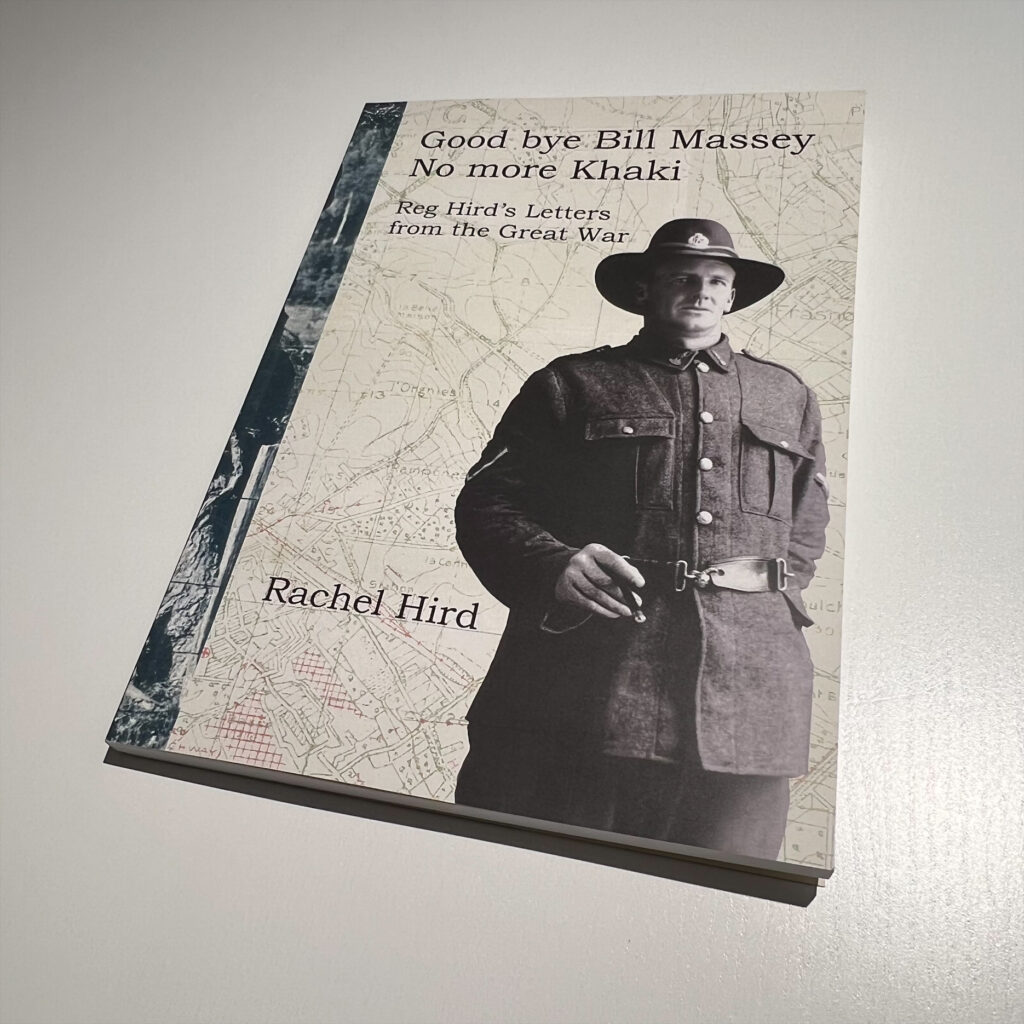
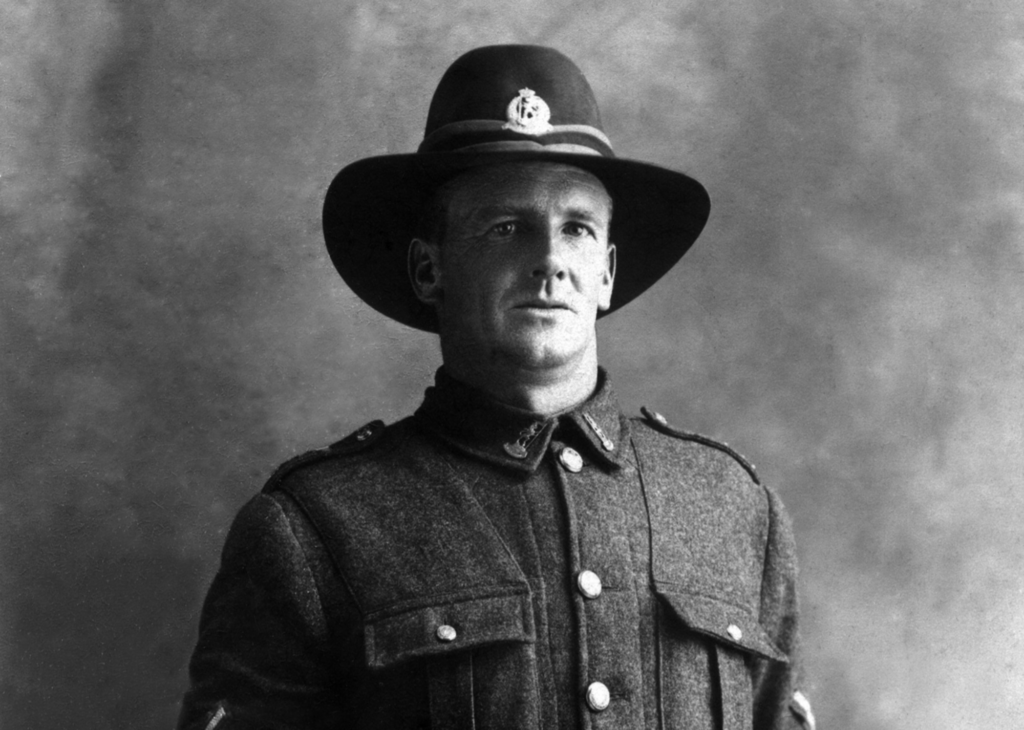
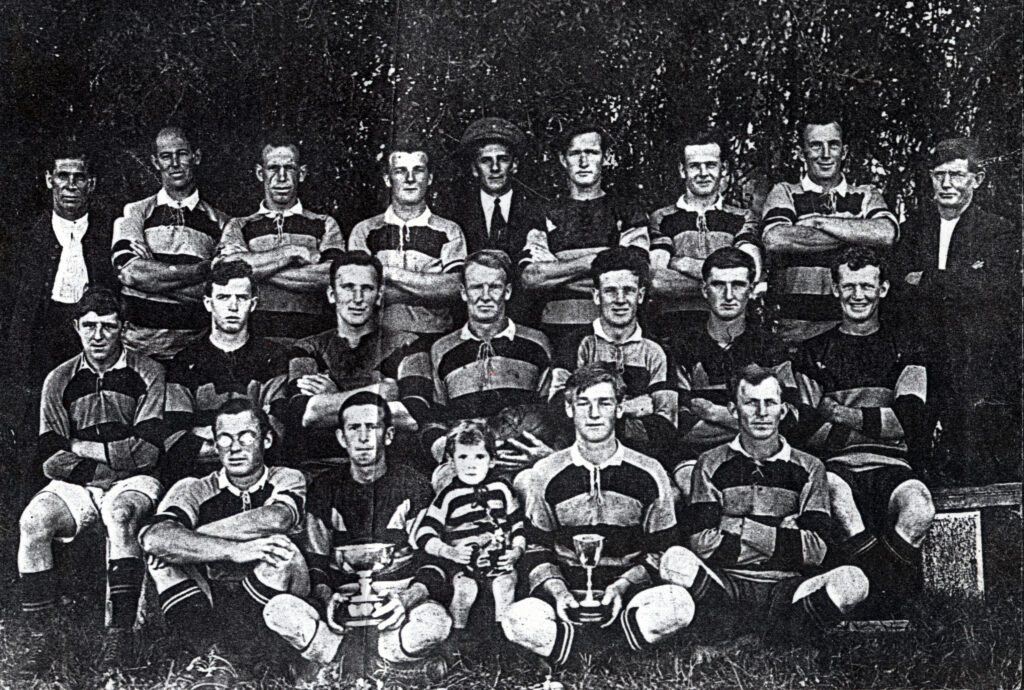
Before World War One, Reginald Nelson Hird was known around Nelson and the West Coast for his sporting prowess, particularly on the rugby field.
By 1917, the farmer and keen sportsman had left New Zealand for the battlefields of Europe, leaving behind Nellie Dean, a young teacher from Golden Bay with whom he was falling in love.
Their relationship unfolded through letters and diary entries, across thousands of kilometres and the terrible uncertainty of war.
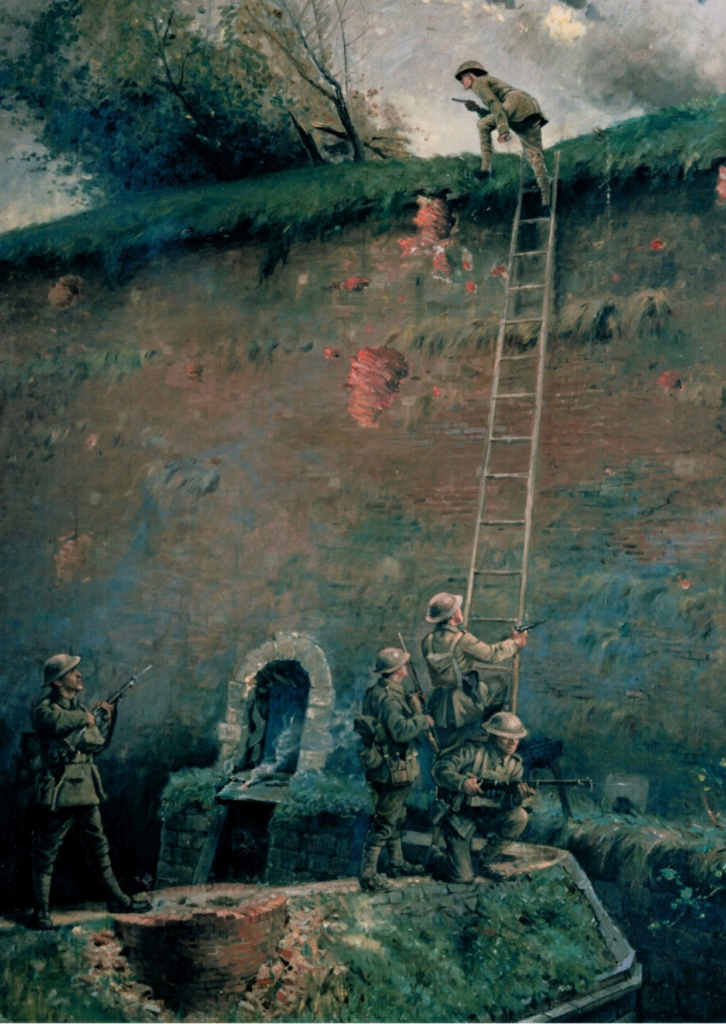
On November 4, 1918, Reg took part in one of New Zealand’s most celebrated actions of the conflict: the liberation of the French town of Le Quesnoy.
Today, Reg’s words are shared with visitors through the immersive displays and exhibition at Te Arawhata, the New Zealand Liberation Museum in Le Quesnoy.
His vivid descriptions reveal the voice of a soldier who was so much more than a warrior: a sportsman, a correspondent, a man who felt the terror and exhilaration of battle, and someone whose thoughts repeatedly turned to the people he loved back home.
His personal letters to Nellie bring that human story into particularly sharp focus.
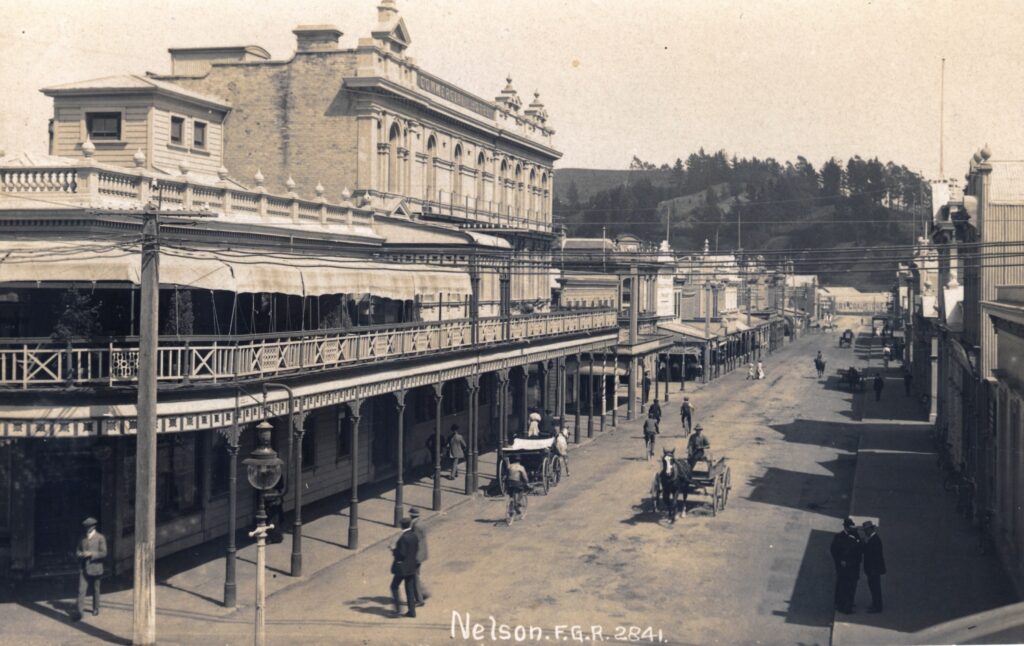
Golden Bay, 17 November 1916 – Nellie’s diary
“Fine, box of chocs from R.H.”
A small entry, but the beginning of a story that would be carried through the war by letters, parcels and the hope of seeing each other again.
At Christmas, Reg visited Nellie and her family. On Christmas Eve, he drove Nellie and her sister Millie to Little Wanganui for tea. Afterwards, he and Nellie walked along the beach.
Not long afterwards, Reg was called up for military service. He entered Trentham in February 1917 and eventually found himself on the Western Front.
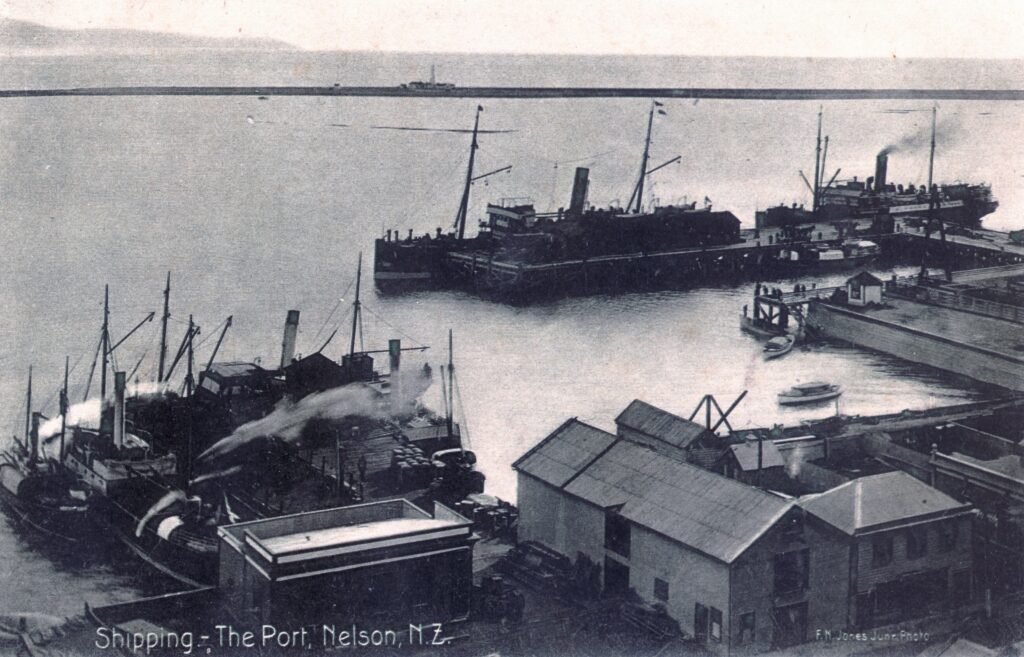
Le Quesnoy, 6 November 1918 – Reg’s letter to Nellie
“My dearest and sweetest little girl
Today is the proudest day in the history of the New Zealand Army.
We have fought a great battle and won one of the greatest victories ever won by English soldiers. A victory so crushing, so severe, that the German Armies are fleeing full melt out of France in the greatest disorder leaving guns, transport, and everything strewn along the road in such vast quantities that it is almost impossible to estimate the value of our win.
Three whole British Armies attacked, ours, the third Army, was the centre of the attack under General Byng (The Bing Boys).”
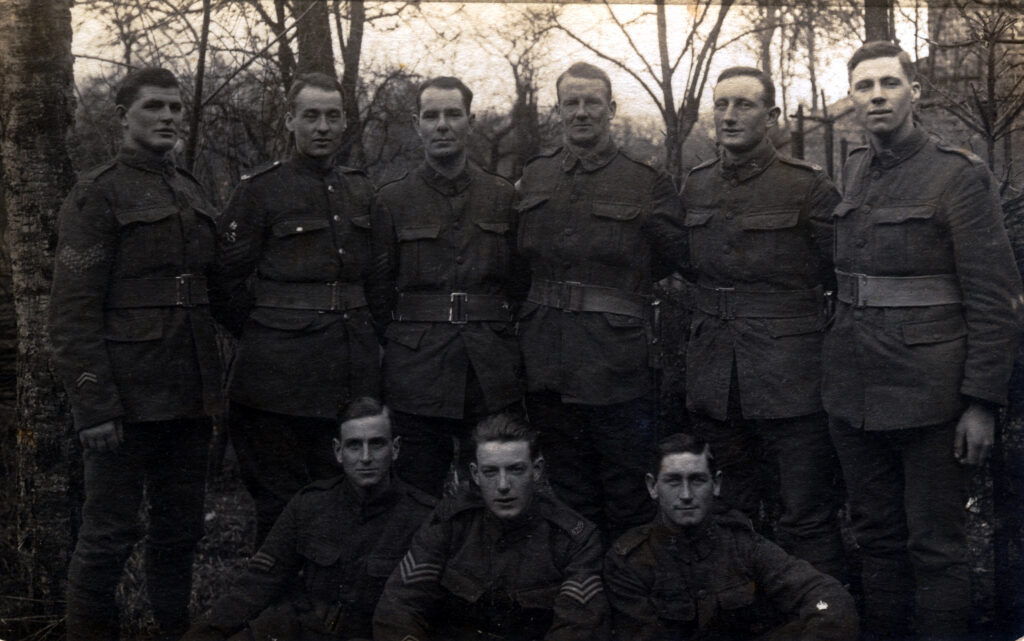
Le Quesnoy was the New Zealanders’ objective. The French town had been occupied by German forces since 1914, and its fortified walls made the assault a dangerous undertaking.
Reg’s account of what followed was immediate and vivid. He volunteered for one of the missions to get a ladder to the wall.
“Well, I volunteered for one and had a good mate.
The smoke screen was intensified and we slipped down into the moat and got almost to the foot of the wall when he spotted us and opened out on us from the top of the wall with machine guns and rifles and not more than 40 feet from our heads.
How on earth he did not kill the pair of us I don’t know.
He tore the ground up at our feet but we placed the ladder and off for our lives. It was lucky for us he had to shoot down at us and not straight at us, else napoo!
We got behind an angle in the wall and dashed back into the thick screen and got back safely.”
The danger was far from over. The New Zealanders fought their way through the town’s defences, advancing towards the citadel.
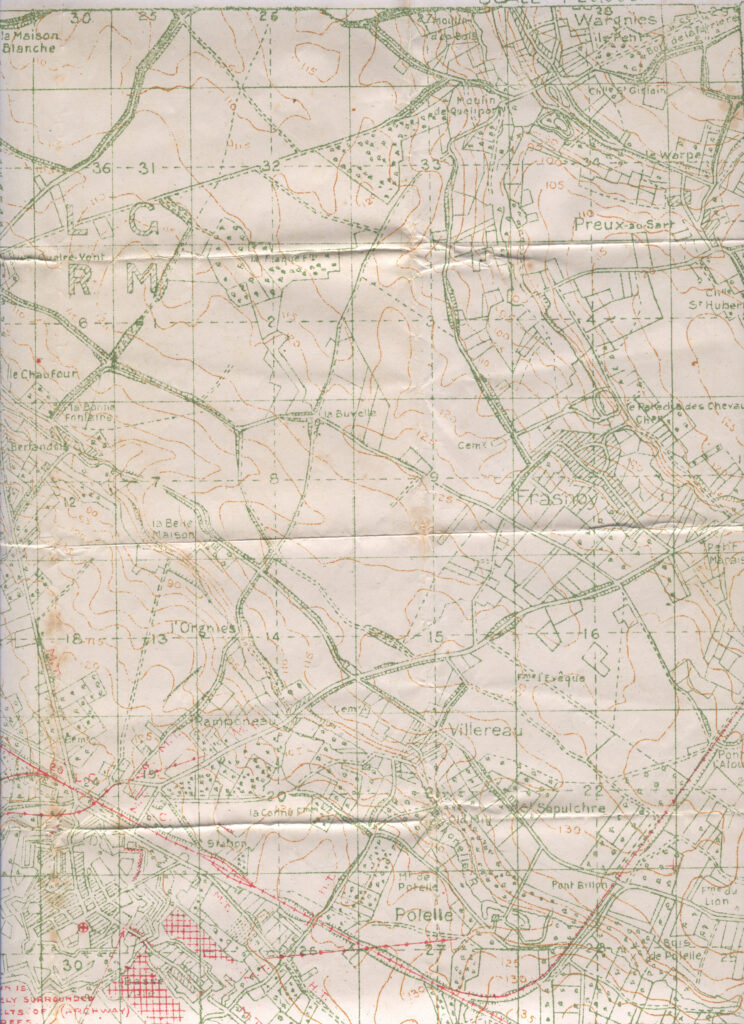
“It was just about 12 o’clock now and we had a bit of a spell for a while, but by 4 o’clock we had got a footing on the walls of the citadel and after a sharp fight had captured the whole garrison of 2000 men.
One of the greatest feats yet done by the N.Z. troops.”
Le Quesnoy, 6 November 1918 – “A splendid reception”
The military victory was only part of what made Le Quesnoy so memorable. Once the fighting was over, the town’s residents emerged from the tunnels and cellars where they had sheltered.
Reg described the scene to Nellie:
“The Battalions were now formed up and marched to the city square and it was a splendid reception that we got from the civilian population. There were over 1000 of them and they swarmed out of their tunnels and cellars where they had been hiding while the fighting was on.
They cheered and feted and even kissed us. Little boys and girls hung onto our hands and it was utterly impossible to march along.
Young and old put their arms around our necks and it got quite embarrassing but poor souls, they have been very harshly treated.”
For Reg, the reception from the people of Le Quesnoy offered a powerful contrast to the violence that had preceded it. The New Zealanders had helped free a town, and its people were finally able to come out into the open.
There was another extraordinary detail he shared with Nellie:
“Our corporal came and told me tonight that for getting our ladder on to the wall, my mate and I are going to be recommended for a decoration but of course whether we get it is another thing. Don’t say anything about it because it may come to nil.”
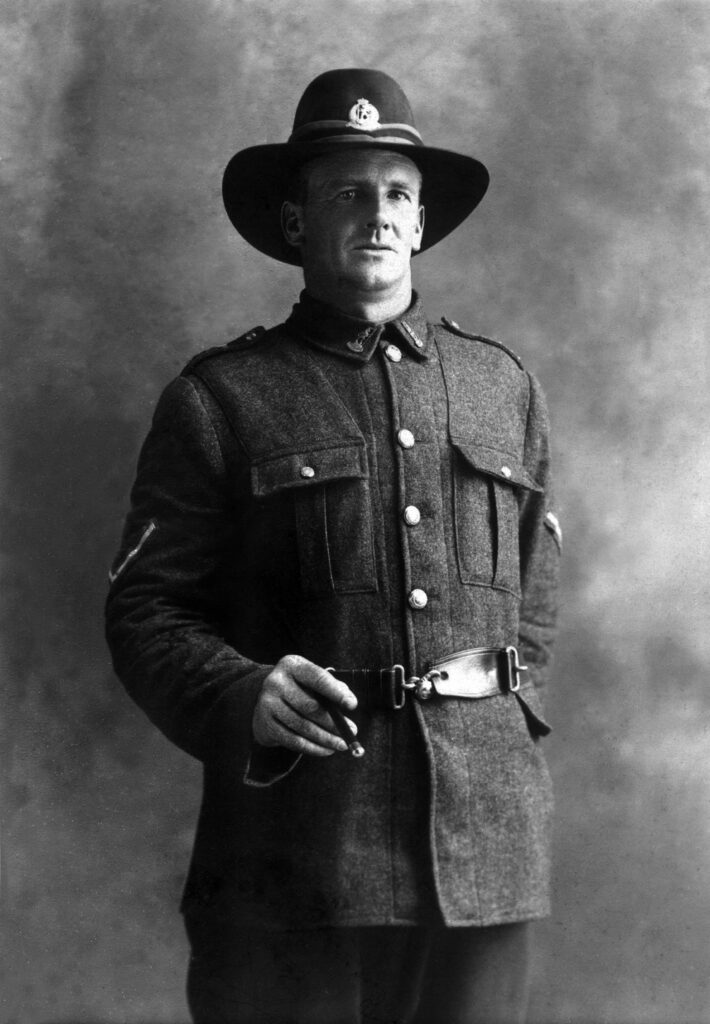
Even amid the excitement, Reg’s letter returned to the personal. He had been wounded at Monument Wood more than three months earlier and had only just received a substantial delivery of mail from home.
“Now for the more important event of the day, the arrival of my first NZ mail since I was wounded at Monument Wood just over three months ago. In that mail there were 18 letters from you which I was very glad to get.”
While he was happy to hear Nellie’s news, it was tinged with sadness following the passing of a family friend.
“I was deeply grieved to hear poor old Arthur Kidd’s death and feel extremely sorry for Maggie. What could be harder luck than for any wounded soldier to return home and then to die two days after reaching home. That is one of the cruellest thrusts of fate that anyone could experience. Poor Maggie. I am extremely sorry for her and will write to her tomorrow.
It is rather extraordinary to us over here, where we see it every day and in some of its most awful forms. Death has no effect on us at all, but it does seem cruel for anyone to die away back in sweet, peaceful New Zealand.”
After months without a letter from New Zealand, Nellie’s words had finally caught up with him.
France, 10 November 1918 – Reg looks homeward
The war was nearing its end. Reg’s attention was turning from the battlefield to what lay beyond it.
“I suppose you have heard by today that the great war is just about over and that we have just about fought our last battle. I am convinced it is finished myself.
My one ambition will now be to get back as soon as I can.
I have seen quite enough of Europe to last me for a while and compared with it, dear old NZ and all its associations are ever rising.”
Collingwood, 9 July 1919 – Nellie’s diary
“Fine. Reg arrived by car. Met him at foot of hill, took him home. He gave me ring.”
After more than two years of war, letters and waiting, Reg had returned to New Zealand. On that July day, he asked Nellie to marry him. She accepted.
A life beyond the war
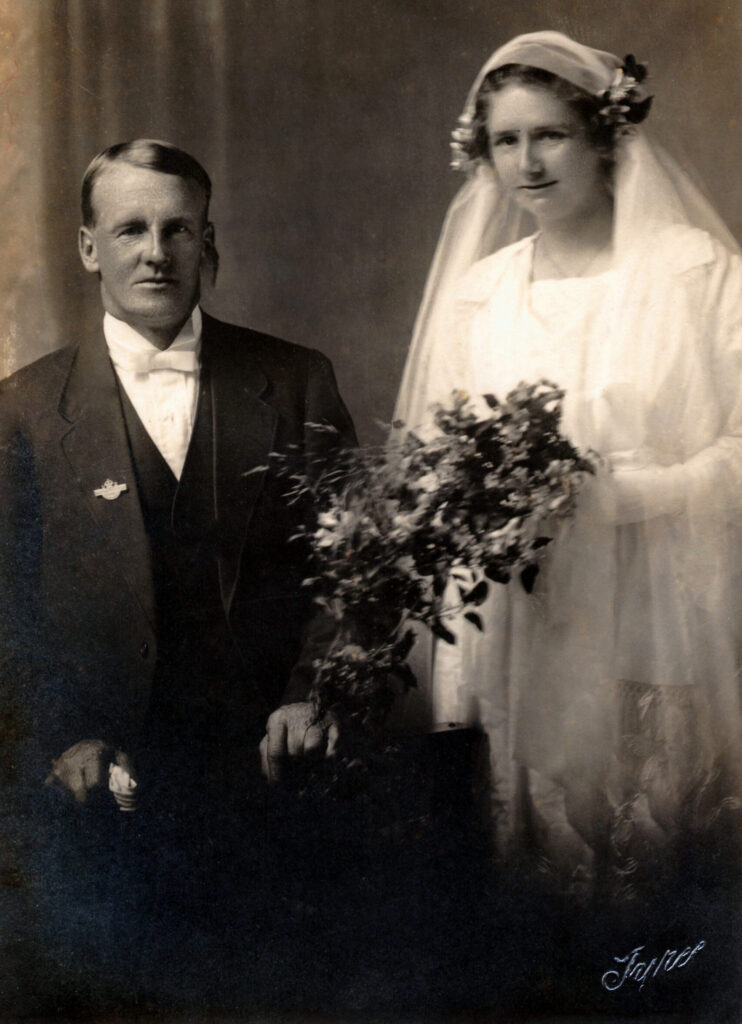
Reg and Nellie married on 20 January 1920 at her parents’ home in Kongahu, Karamea. They settled at Umere, in a remote area of Buller on the West Coast, and had two sons, William Robert (Bill) and Reginald James (Jim). Reg remained connected to rugby in the years after the war, playing for Umere and later receiving life membership of Karamea Rugby Club with his friend Robert Tunnicliff.
The story that began with chocolates and beach walks had survived the battlefields of France. Reg died in 1976, aged 93; Nellie had died four years earlier, aged 77. They were buried at Karamea Cemetery.
Reg’s letter from Le Quesnoy captured a moment of extraordinary danger and triumph. But threaded through his account of ladders, gunfire and a town set free was something more intimate: his letters to Nellie, and his determination to return to the life and love waiting for him in New Zealand.
It took Rachel Hird two years to compile Reg’s story, a commitment to preserving his experiences and keeping the memory of those who served alive. Her repeated visits to Le Quesnoy reflect a personal connection to the place where Reg’s words became part of a much larger history.
Through Te Arawhata, visitors can encounter those words and hear a soldier’s own account of a defining moment in New Zealand’s military history. And through Reg and Nellie’s story, we are reminded that family histories often hold extraordinary accounts of courage, separation, love and homecoming. Their story offers an invitation to look again at our own family letters, diaries and photographs – and discover the lives and experiences that might otherwise be forgotten.