
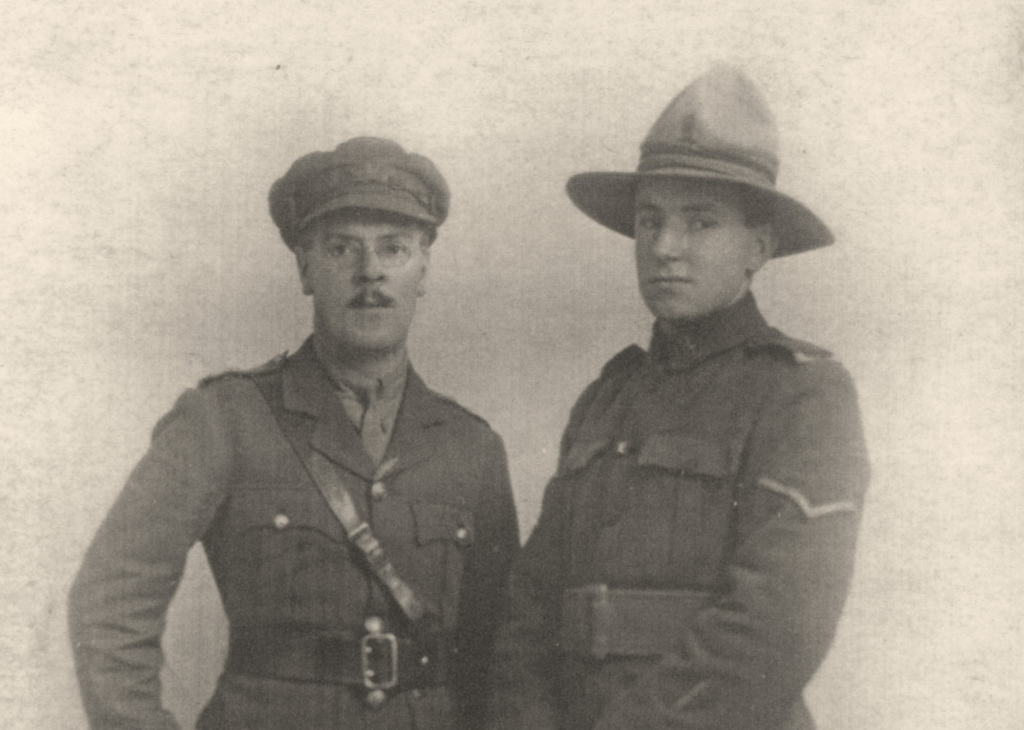
Written by Jennifer Gow, the granddaughter of Lance Corporal Malcolm Hector Campbell
In June 2026 my husband Russell and I travelled from our home in Whangārei, New Zealand, to the small French town of Le Quesnoy.
We went there to find my grandfather.
Not literally, of course. Lance Corporal Malcolm Hector Campbell had been gone for many years.
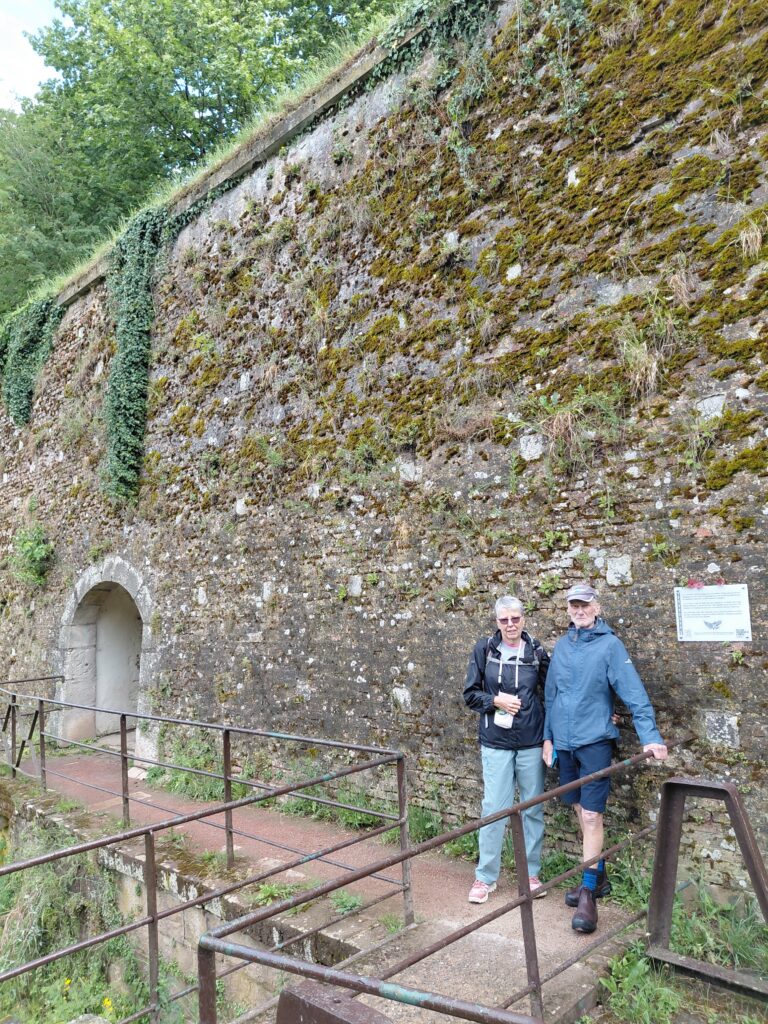
I knew my grandfather had climbed the walls of Le Quesnoy.
I knew he had been a 23-year-old New Zealander serving with the New Zealand Rifle Brigade. I knew he had fought his way through some of the worst battles of the First World War, been wounded several times and somehow survived to come home.
But it wasn’t until I stood at the foot of that wall in June this year that I understood what he had done.
I had spent months researching my grandfather through his army records and the history of the New Zealand Rifle Brigade. I knew he had been at Le Quesnoy during the liberation of the town in November 1918.
I had read the words.
Now I was standing where they had happened.
We spent six days in Le Quesnoy, exploring the town and its extraordinary walls and ramparts. With the help of Jacob at the New Zealand Liberation Museum, Grandad’s story was woven into the history of the town.
Then we reached the place where he had climbed.
I looked up.
The wall seemed impossibly high. Grandad and his fellow New Zealand soldiers had climbed it using ladders, knowing that reaching the top could make them an immediate target.
I was overwhelmed.
I phoned my brother and sister in New Zealand and showed them the height of the wall. Suddenly, the story we had grown up with became real. This wasn’t simply something that had happened in a war more than a century ago.
This was our grandfather.
And he had been incredibly brave.
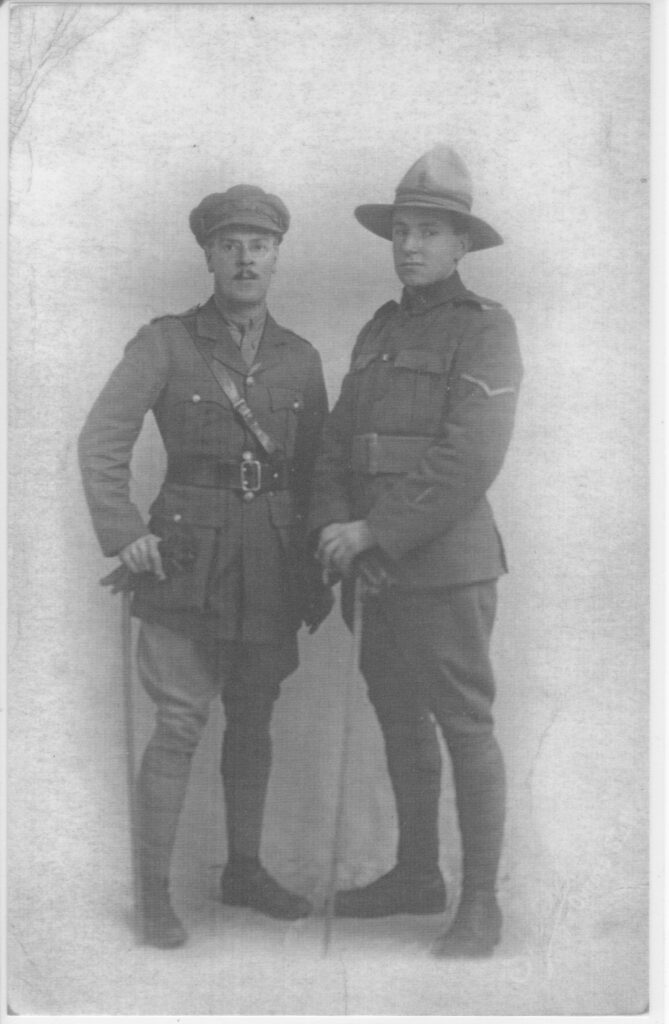
A young man goes to war
Malcolm was born in Hampton, south-west of London, in 1893. His family emigrated to New Zealand in 1909, and Malcolm eventually worked on farms in the Wairarapa.
He enlisted in the New Zealand Army in January 1916.
He was 23, unmarried and embarking on a journey that would change the rest of his life.
He trained at Trentham before sailing for England and joining the New Zealand Rifle Brigade’s 4th Battalion. By early 1917 he was on the battlefields of Europe.
He fought at Passchendaele and was wounded in August 1917 but remained on duty. Two months later he was wounded again, suffering a serious injury to his upper left arm that required treatment in England.
While in hospital, he had an unexpected encounter with King George V. As the King approached his bed, Grandad was apparently so overcome with shyness that he pulled the covers over his head.
It is one of those wonderfully human details that survived in our family alongside the much harder story of his war.
He returned to his battalion in 1918 and was wounded again in May, this time treated in the field before returning to duty. He went on to fight at Bapaume, the Battle of the Scarp, Trescault Spur and Crevecoeur.
And then came Le Quesnoy.
The liberation
On the night of 24 October 1918, Malcolm’s 4th Battalion relieved their comrades outside Le Quesnoy.
The town had been under German occupation for four years.
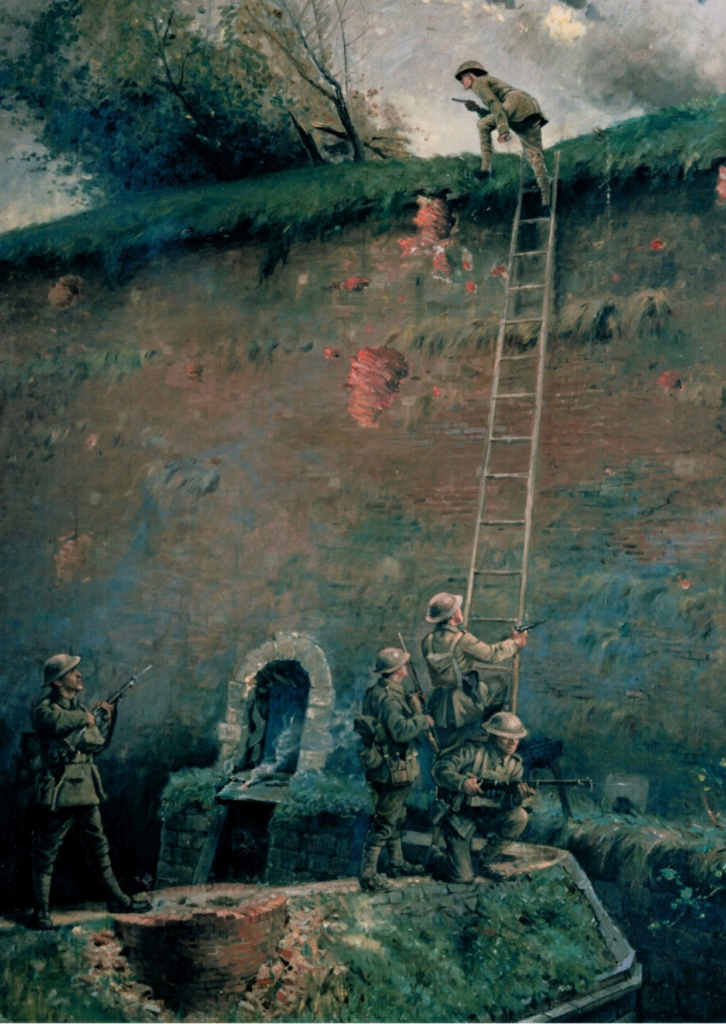
On 4 November, the New Zealanders succeeded in liberating it. Remarkably, no French civilians were killed, although 90 New Zealand soldiers lost their lives.
Grandad never boasted about what he had done. But he told my grandmother that he was the second soldier over the wall.
Standing there more than a century later, I found myself thinking about the extraordinary courage contained in that simple sentence.
Then I thought about what might have happened if he hadn’t made it.
We visited the nearby soldiers’ cemetery and grieved for the young men who never left France. Looking at their graves, we couldn’t help but think how easily Grandad could have joined them in those final days of the war.
If he had died at Le Quesnoy, he would never have returned to New Zealand.
He would never have married my grandmother, Kathleen.
They would never have had their three children, including my mother.
And the 60 descendants who exist today because Grandad survived would never have been born.
That is when the meaning of this place really struck me.
The liberation of Le Quesnoy wasn’t simply the final chapter of Grandad’s war. It was the beginning of everything that came afterwards.
What came home
Malcolm returned to New Zealand after the war and was discharged in July 1919, having served for three years and two months.
Five years later he married Kathleen. They farmed for the rest of their working lives, living in the Wellington area, the Waikato and later Northland before retiring in Hamilton.
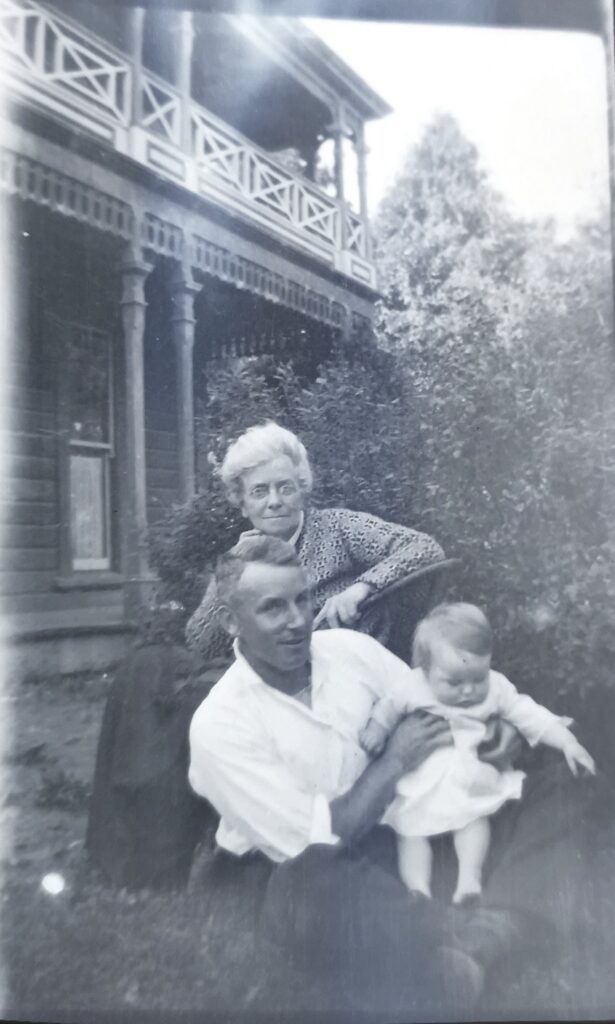
Grandad didn’t talk much about the war with his family. He didn’t want to bring the horrors of combat into his home.
But he would talk with other old soldiers.
As children, we sometimes heard him and his brothers-in-law behind closed doors. There would be laughter and animated conversation, followed by periods of silence as they remembered the mates they had lost and the things they had seen.
The war stayed with him. He suffered from debilitating migraines for the rest of his life.
But it didn’t define all of him.
He loved trout fishing and made his own lures. He loved his family. He enjoyed time with his seven grandchildren.
He lived to 81.
Coming home to Le Quesnoy
Visiting Le Quesnoy gave me something I never expected: a connection with my grandfather that I couldn’t have found through records or photographs alone.
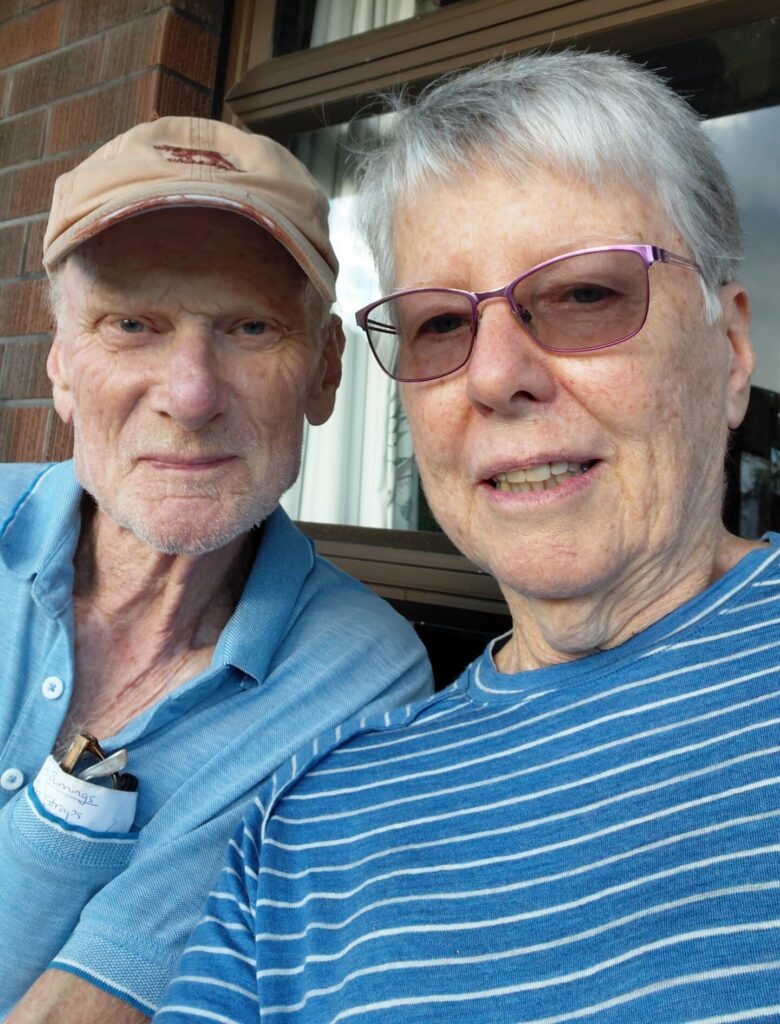
The New Zealand Liberation Museum – Te Arawhata has done something very special in preserving the history of the liberation and nurturing the bond between Le Quesnoy and New Zealand.
The stories of the French people moved us just as much as the stories of the soldiers.
And the Museum’s displays are exceptional. But for me, what made our visit unforgettable was the opportunity to place my grandfather’s personal story within that much bigger history.
The Museum’s tour guide didn’t simply tell us about the battle. He helped us imagine Grandad within it.
For six days, Le Quesnoy stopped being a place I had read about.
It became a place where my family had once been.
I arrived knowing my grandfather’s story.
I left understanding it.
He climbed that wall in 1918.
More than a century later, I stood beneath it and realised just how much of our family’s story began on the other side.