
“I will never forget it.”
For years, Jennifer Jarden had imagined what it would feel like to stand beside the grave of the relative she had been researching.
“To finally be there, after everything I’d learned about his life… it was a wave of emotions,” says Jennifer.
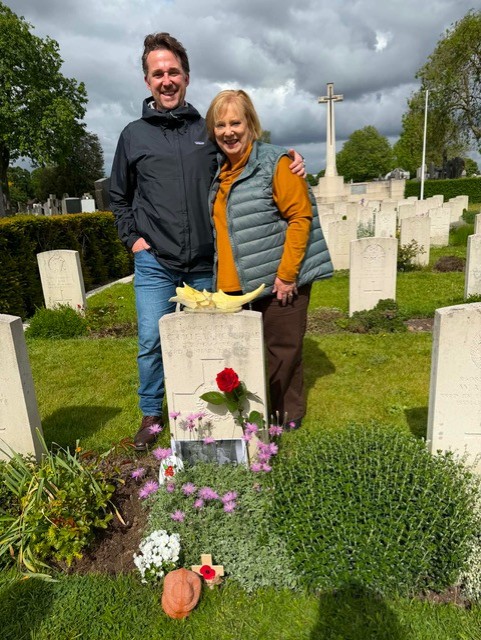
More than a century after Captain John “Jack” Clark Maclean was buried in northern France, Jennifer finally found herself standing before his headstone in the Commonwealth War Graves Cemetery at Tourcoing.
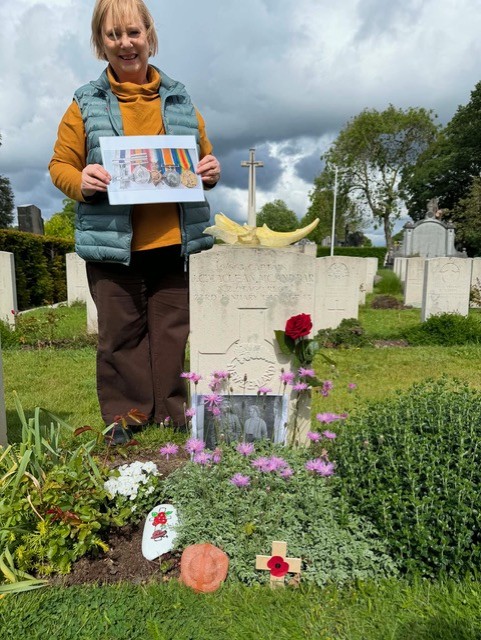
“As far as I know, apart from Jack’s wife who visited shortly after his death, I may be the first member of the family to stand here,” she says quietly.
Carefully, she planted a white viola beside his grave before placing a smooth stone she had carried all the way from Hokitika on New Zealand’s West Coast. It had been painted by her 95-year-old mother before Jennifer left home – a small act of remembrance linking four generations of one family across more than 100 years.
For Jennifer, the moment was about far more than visiting a cemetery.
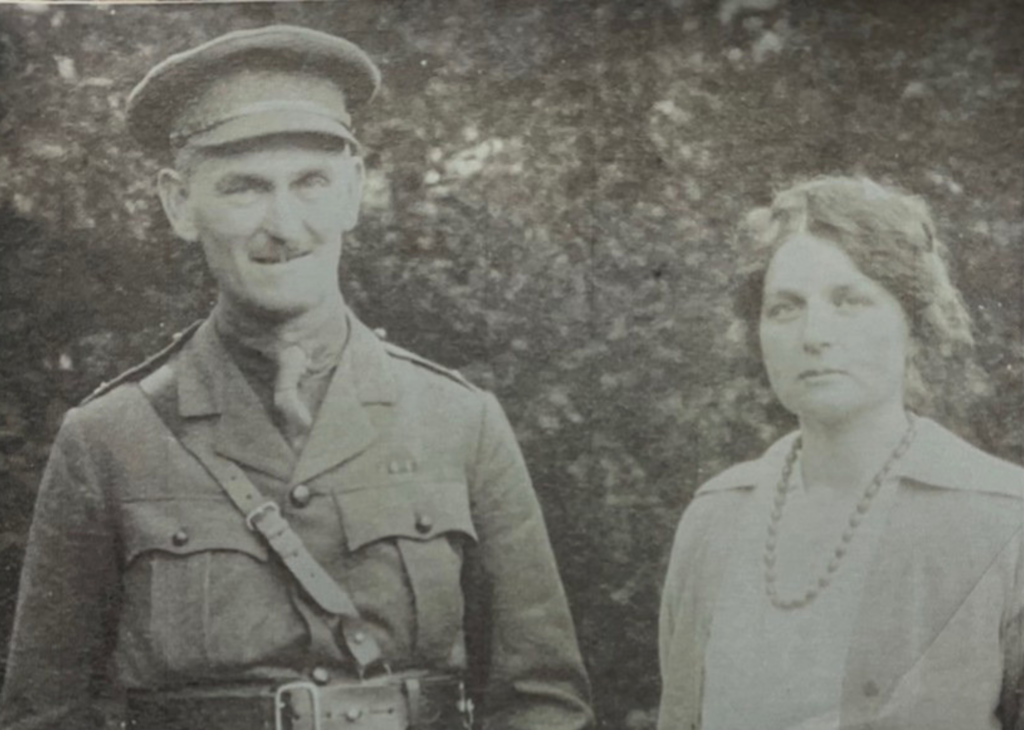
It was about meeting the man behind the medals.
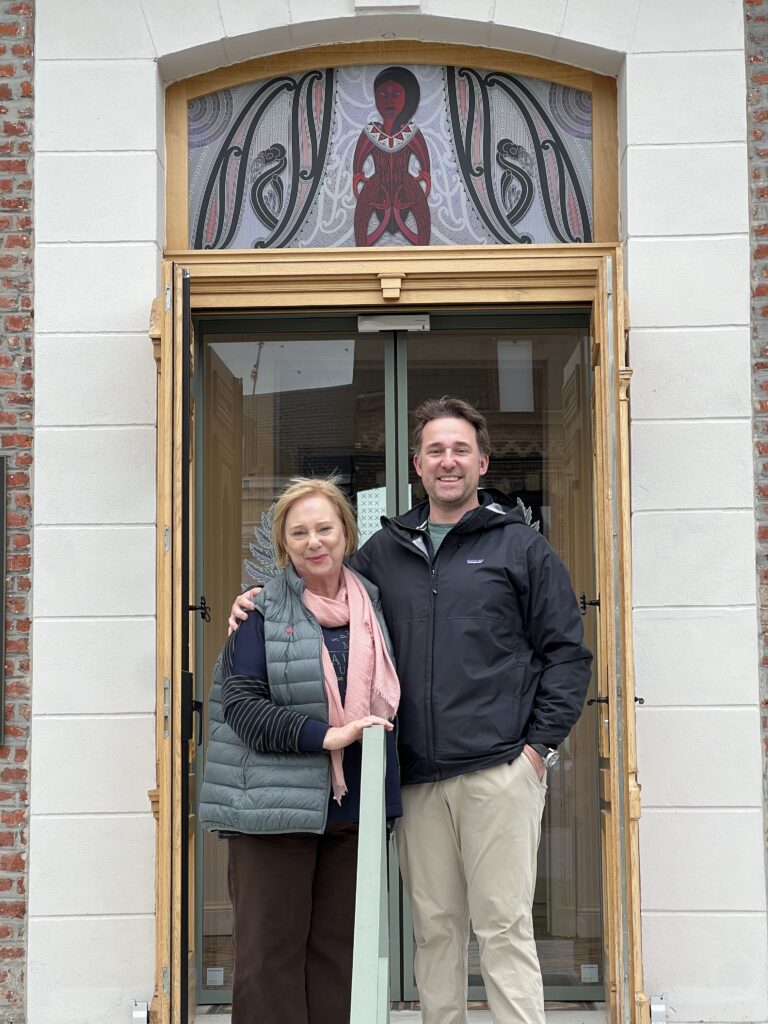
Her Western Front journey had begun at Te Arawhata, the New Zealand Liberation Museum in Le Quesnoy, where she and her son, Alex Cunningham, began retracing Jack’s footsteps across France and Belgium.
With every battlefield, village and railway line they visited, the remarkable life of a man who had become family legend slowly came into focus.
Born in Dunedin, Jack seemed destined for adventure.
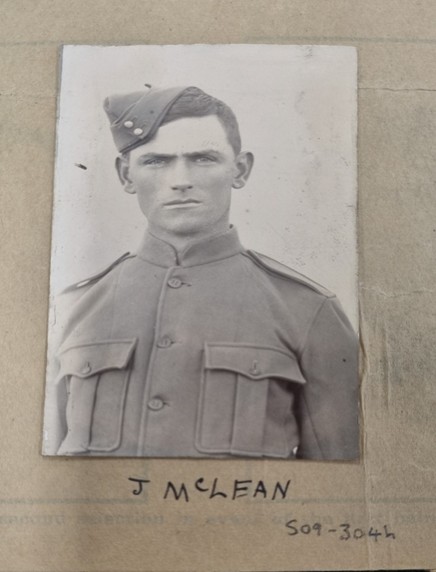
Long before he became one of New Zealand’s decorated First World War officers, he served in the Boer War with the Fourth Contingent of the Otago Mounted Rifles, riding a black horse named The Pirate, gifted by his rugby club of the same name. During the campaign he was wounded in the shoulder, battled malaria and survived the hardships of military life on the South African veldt.
But war was only one chapter in an already extraordinary life.
After the Boer War, Jack remained in South Africa, building a transport business servicing the gold mines near Johannesburg before helping organise railway construction through Basutoland, now Lesotho.
Adventure soon carried him across the Atlantic to South America, where he helped build the railway tunnel linking Argentina and Chile through the Andes. Responsible for hundreds of workers in one of the world’s harshest environments, he oversaw camps that could be isolated by snow for months at a time.
It was there that he met Helen Cotton.
Helen was married and raising a young family, yet Jack was immediately captivated. Writing home to his sister Bessie, he confessed he had met the only woman he could ever imagine marrying.
It seemed impossible.
Life, however, had other plans.
Jack continued chasing horizons few others dared contemplate. In 1909 he and Dr C.J. Wilson embarked on a daring journey through the Amazon basin, becoming among the first Europeans to navigate thousands of kilometres of river from Bolivia to Brazil despite repeated warnings of rapids, disease and hostile conditions.
He was equally at home in the mountains. Climbing Mount Aconcagua, then believed by many to be the highest mountain in the world, Jack later wrote of discovering the pickaxe left behind by Swiss mountaineer Matthias Zurbriggen, the first recorded climber to reach its summit – a tangible reminder that great adventures often leave traces for those who follow.
Then the world went to war again.
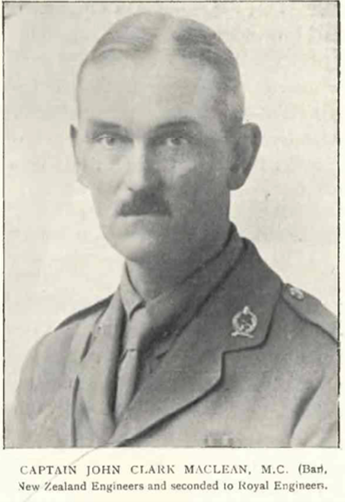
Jack enlisted with the Otago Mounted Rifles and landed at Gallipoli, where he was wounded in the knee before returning to the fight with the New Zealand Pioneer Battalion on the Western Front.
France and Belgium would become the setting for his greatest acts of courage.
When an ammunition wagon burst into flames after enemy shellfire, threatening an entire train loaded with explosives, Jack ran towards the inferno. Amid flying sparks and the ever-present threat of detonation, he helped unhitch the burning wagon and push it clear.
His actions almost certainly saved countless lives.
For that courage he was awarded the Military Cross.
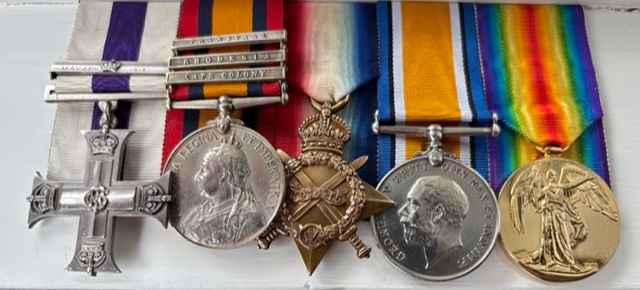
Months later, serving with the 5th New Zealand Light Railway Operating Company, he earned a Bar to his Military Cross after repeatedly helping evacuate wounded soldiers under relentless shellfire while keeping vital railway services operating at the front.
“His courage was extraordinary,” Jennifer says. “But what struck me most while researching his life was not just what he achieved, but what he endured.”
Amid the devastation of war, fate intervened one final time.
Years after they had first met in South America, Jack unexpectedly encountered Helen again on the streets of London. By then she had returned to England following the death of her husband.
Their friendship blossomed into love.
After Jack was wounded again on the Western Front, Helen travelled to France and, in a scene that feels almost impossible to imagine today, they were married at his bedside in a military hospital at Wimereux.
After years of separation, they had finally found one another.
It should have been the beginning of their life together.
Instead, it became heartbreak.
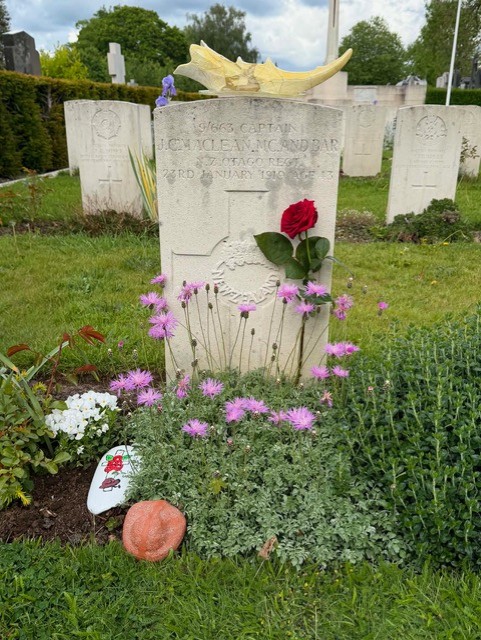
On 23 January 1919, barely two months after the guns of the First World War fell silent, Captain Jack Maclean died from a self-inflicted gunshot wound.
He was 44 years old.
The war was over.
His young wife was waiting for him in London.
His family was waiting for him in New Zealand.
But peace never came to Jack.
Records from a Court of Enquiry reveal Jack had been struggling with what was then described simply as “nerves”. Witnesses recalled seeing him mumbling to himself. He had sought medical help, but whatever treatment existed at the time proved tragically insufficient.
“I’m not sure what help was available then,” Jennifer reflects. “But whatever it was, it obviously wasn’t enough.”
Today, many would recognise those symptoms as psychological trauma and the invisible wounds of war.
As Jennifer retraced Jack’s final months, she also visited the Belgian farm where his headquarters had been established near the end of the war.
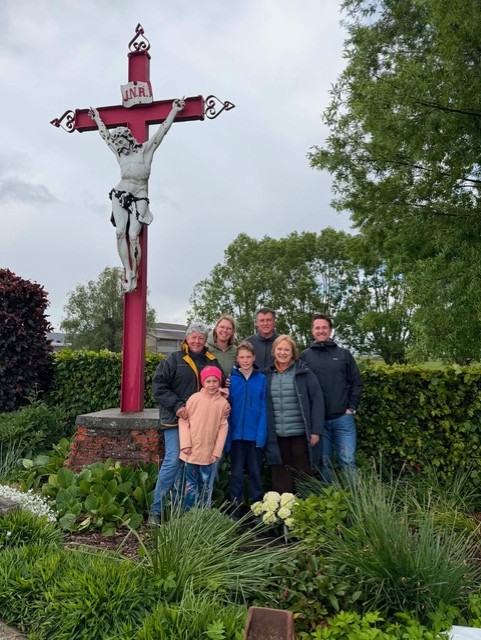
Welcomed by the family who still farm the land today, she planted a white hydrangea beneath a statue of Christ that would have watched over the property during Jack’s time there.
Throughout the journey, local historians helped transform names on documents into real places and real lives.
Yet Jack’s story did not end with his death.
In 1920, Helen boarded a ship bound for New Zealand with the three children from her first marriage, leaving England for a country she had never known.
Why she made the journey remains a mystery, but tracing Helen’s life has become an important part of Jennifer’s research, revealing how one man’s life – and one family’s loss – continued to echo through the generations.
Back in New Zealand, Jennifer has spent years ensuring that Jack’s story will never be forgotten.
Family papers, postcards, photograph albums and correspondence – rediscovered decades later in the attic of a seaside cottage once owned by Jack’s sister – have now been preserved in the Hocken Collections in Dunedin. His restored Military Cross and Bar will be cared for by the National Army Museum at Waiouru, where future generations will be able to learn his story.
“He lived an extraordinary life,” Jennifer says. “Explorer, soldier, engineer, adventurer. But he was also a husband, a son and a member of a family who loved him.”
When Jennifer left Tourcoing that day, she left behind more than a white viola and a painted stone.
She left knowing that Captain John “Jack” Clark Maclean was no longer simply a name etched into a headstone or a collection of medals carefully preserved in a museum.
After more than a century, he had become real again.
And in finally standing where he lay, Jennifer had completed a journey not only across France and Belgium, but across generations – bringing one remarkable New Zealander home to his family once more.